
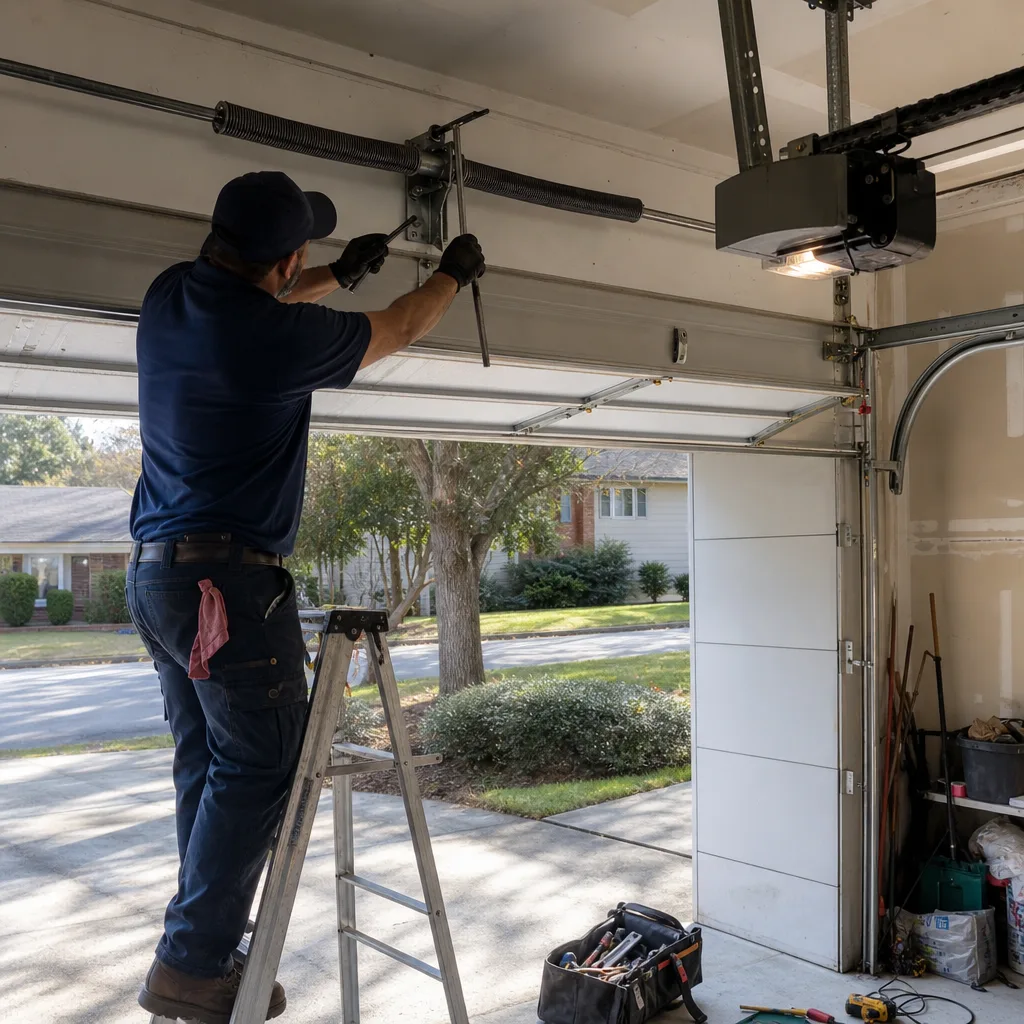
Last updated October 17, 2026
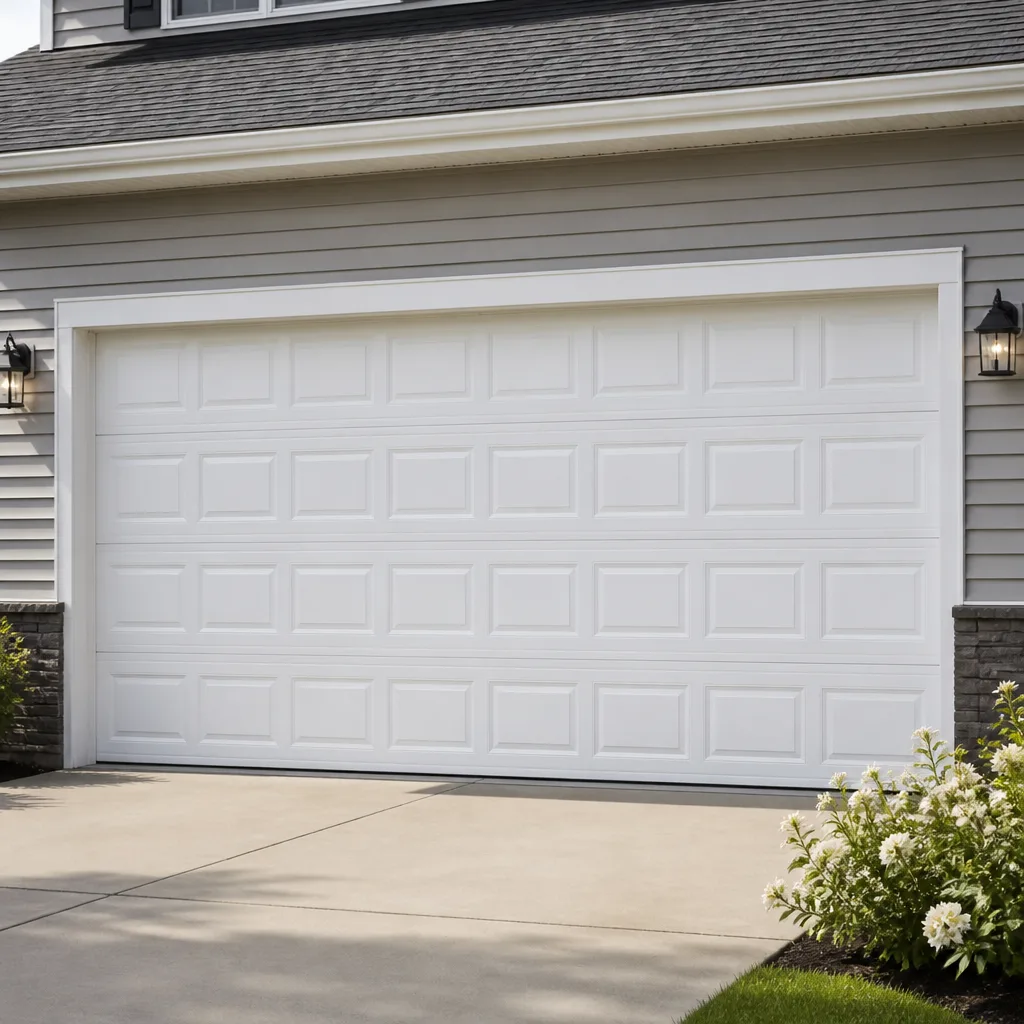 Raised-panel steel
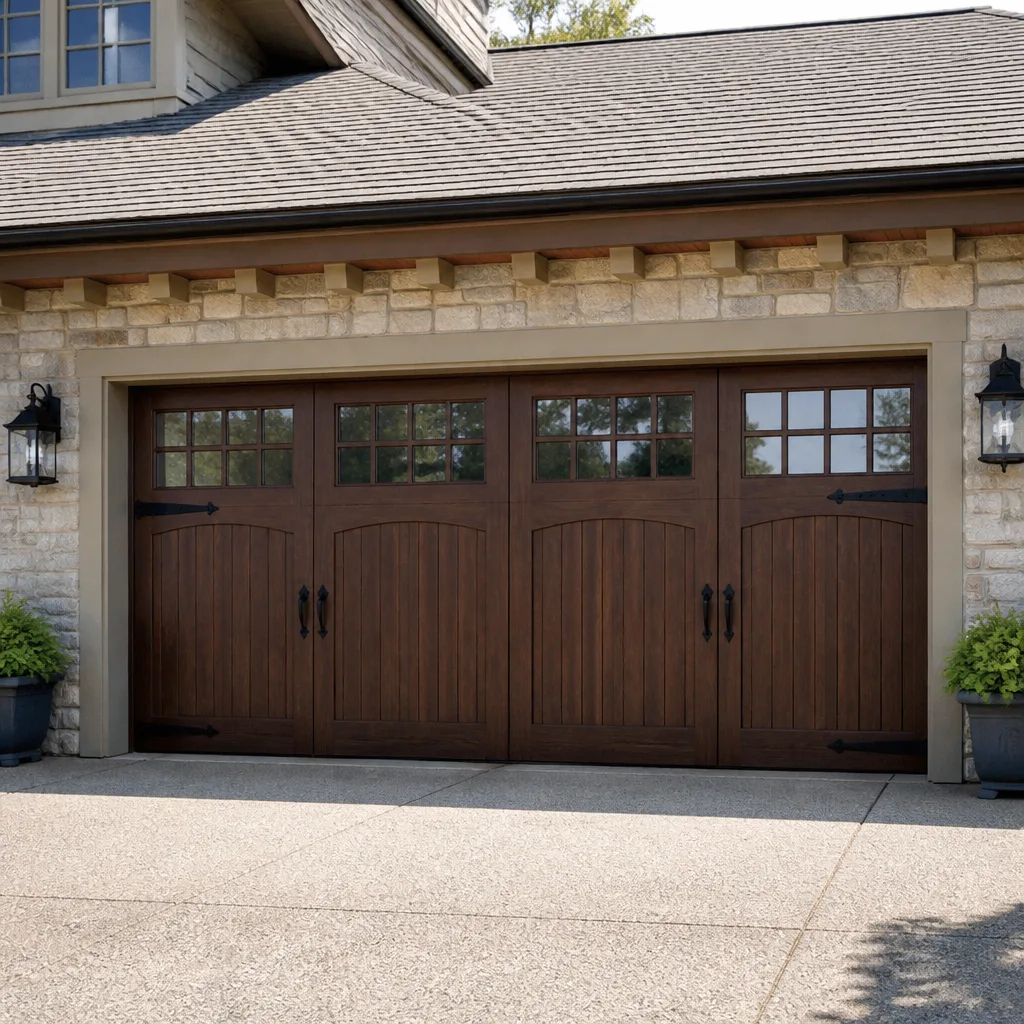 Carriage house
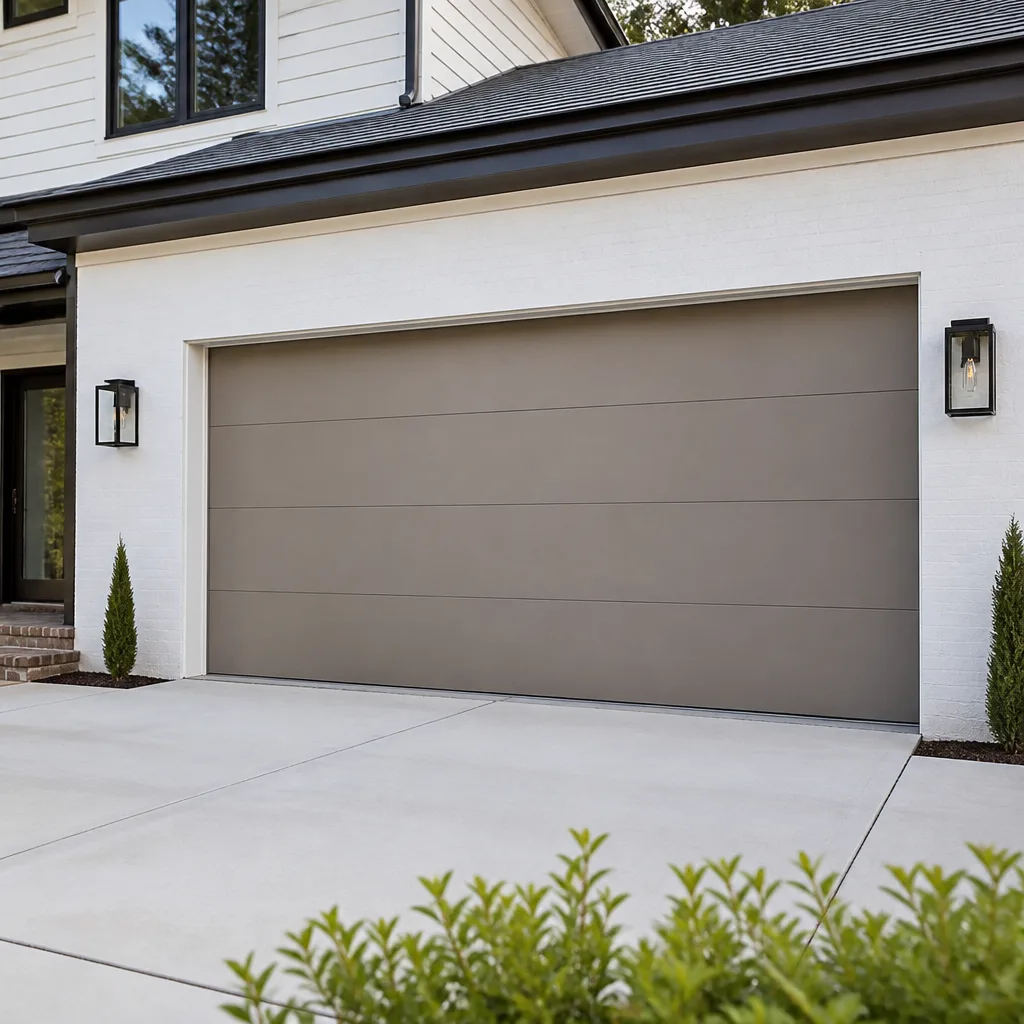 Modern flush
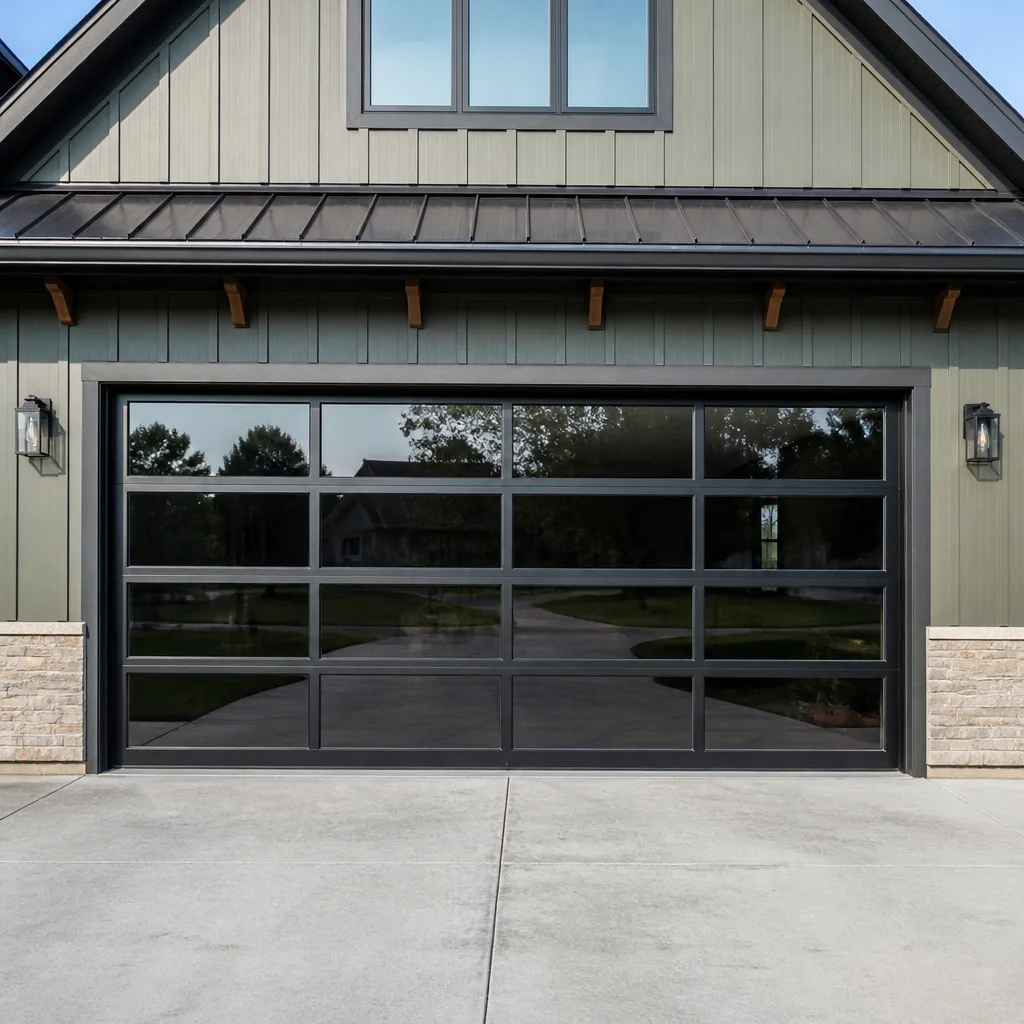 Full-view glass
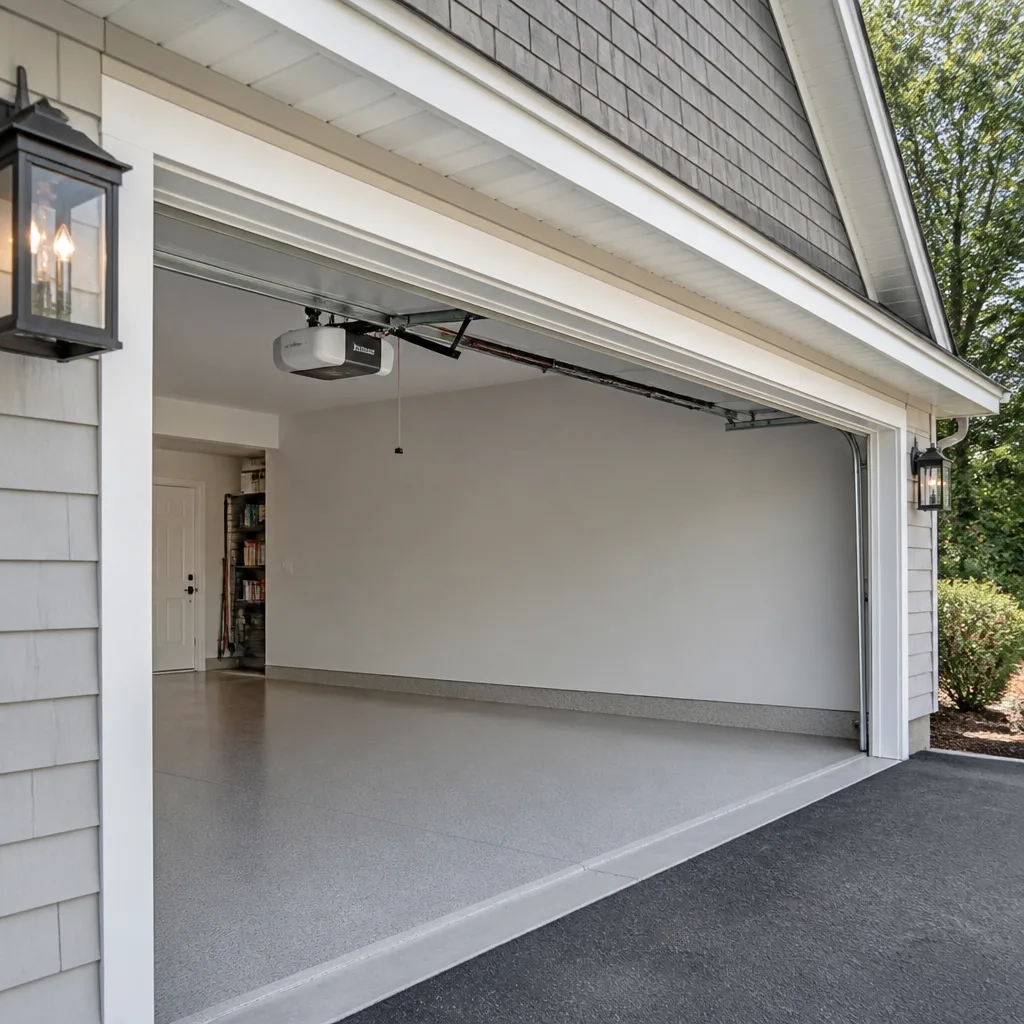 LiftMaster openers
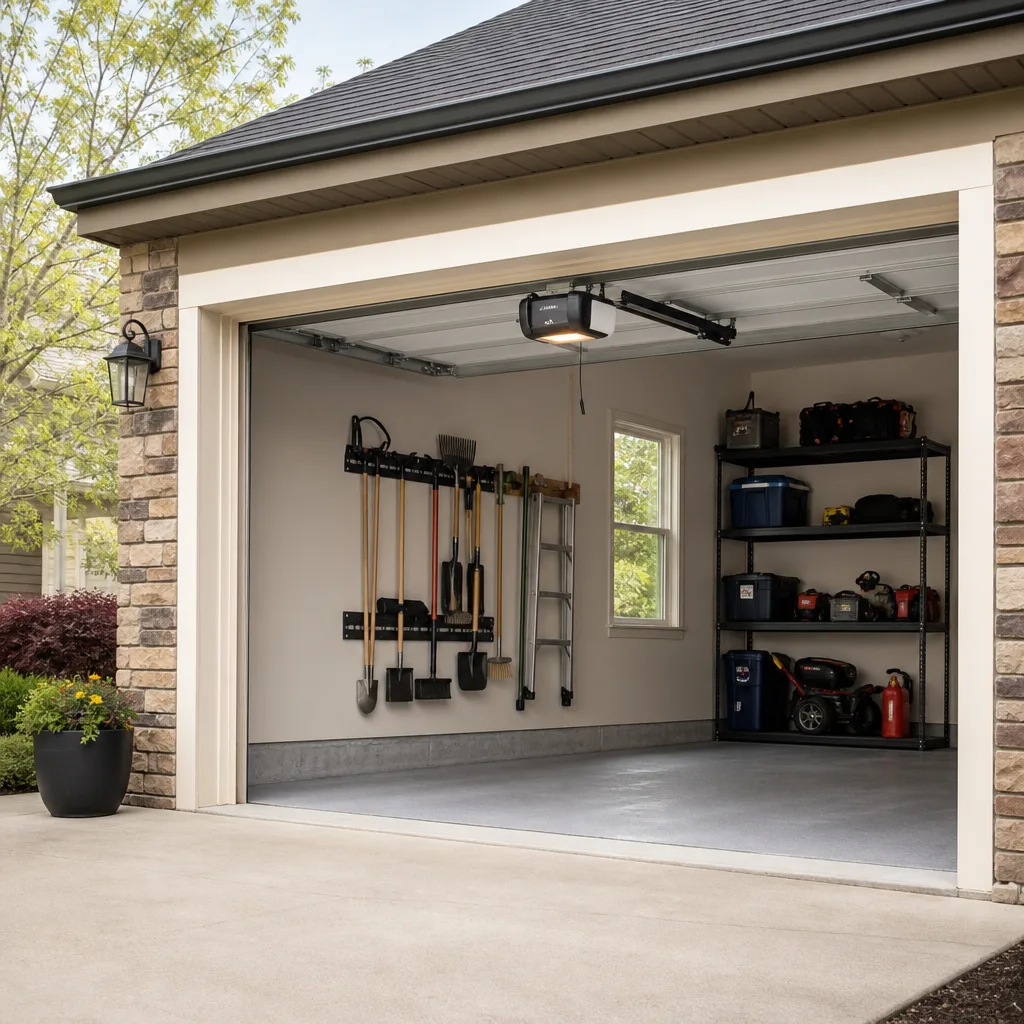 Chamberlain openers
Full 25-point door and opener safety check with every visit - springs, cables, rollers, tracks, and your LiftMaster or Chamberlain opener included
You get a price before we start. It does not change when the truck arrives.
Get your free estimateSeasonal Garage Door Care for Sandy Springs: Year-Round Homeowner’s Guide
January in Sandy Springs can swing from 22°F to 68°F in the same week, and that temperature variance contracts metal springs and expands them again faster than most homeowners, or their springs, expect. This guide is built around what Sandy Springs weather actually does to garage doors, not what a national maintenance calendar assumes-though if you want a deeper dive, see our The Complete Guide to Garage Door in Sandy Springs. You’ll learn which months demand attention, what a pollen flush involves, how humidity swells wood panels, and how to keep your door quiet and reliable through every season. By the end, you’ll have a one-page seasonal card worth taping to the wall beside the opener.
Quick Answer
Seasonal garage door care in Sandy Springs means checking and lightly lubricating moving parts four times a year, flushing pollen off tracks each spring, monitoring wood panels for humidity swelling between June and September, and replacing weatherstripping before the first hard freeze. Most homeowners can handle these checks in under 20 minutes per season. For repairs, Garage Door Repair in Sandy Springs typically runs $120 to $380 depending on the part, with spring replacement falling between $180 and $340 for a standard two-spring system.
Styles & brands we work with
Table of Contents
- Why Sandy Springs Weather Is Harder on Garage Doors Than You Think
- Spring: The Pollen Flush and Track Grime Window (Late February to April)
- Summer: Humidity, Swelling Panels, and Heat-Soaked Springs (May to September)
- Fall: Mature Trees, Nesting Insects, and Sill Debris (October to November)
- Winter: Freeze-Thaw Cycles and Bottom Seal Failures (December to February)
- The One-Page Seasonal Care Card for Your Garage
- Common Mistakes to Avoid
- When to Call a Professional
- Frequently Asked Questions
Why Sandy Springs Weather Is Harder on Garage Doors Than You Think
Sandy Springs doesn’t have four equal seasons. What it has is a long, aggressive summer, a short but unpredictable freeze window, and two shoulder seasons defined by pollen and humidity that do real damage to garage door hardware. A national maintenance calendar telling you to “lubricate in spring and fall” misses what actually happens here: your tracks gum up in March, your wood panels swell in July, your bottom seal cracks in January, and your opener housing becomes a wasp nursery in October.
The numbers explain it. Sandy Springs averages 52 inches of rain annually, most of it falling between March and September. Combined with summer dew points that regularly sit in the low 70s, that creates persistent moisture around the garage threshold. Metal parts oxidize faster. Wood absorbs ambient moisture. Rubber seals stay damp and then freeze when the January temperature drops. We’ve serviced doors in Dunwoody and Perimeter Center where homeowners followed a generic seasonal checklist and still ended up with binding panels and snapped cables, simply because the checklist didn’t account for this climate.
What should feel normal: a door that opens and closes in 12 to 15 seconds without hesitation, a motor that hums without grinding, and rollers that move along the track without visible wobble. What should sound normal: a consistent low-level noise, not a screech, not a thump, not a metallic rattle. If your door sounds like it’s working harder in February than it did in October, that’s the temperature variance talking. This guide tells you what to do about it before it becomes a repair bill.
Spring: The Pollen Flush and Track Grime Window (Late February to April)
Late February through April is the highest-risk period for track grime buildup in Sandy Springs, and the culprit is the same fine yellow dust that coats your car. Pine pollen, oak pollen, and construction dust from spring reno projects settle on horizontal surfaces including your garage door tracks, hinges, and the chain or belt on your opener. Pollen is sticky when it mixes with morning dew. It binds to whatever lubricant is already on the track and turns it into a paste that slows the rollers and stresses the motor.
A 20-minute pollen flush, done once in late March and again in mid-April, prevents most of this. Here’s the step-by-step:
- Disconnect the opener by pulling the red emergency release cord. You want the door to move freely by hand for this check.
- Wipe the tracks with a dry microfiber cloth first, top to bottom. Don’t use a spray cleaner directly on the track. If you need moisture, spray the cloth lightly, not the metal.
- Brush the hinges and rollers with a soft nylon brush to knock pollen off pivot points. A paintbrush works well here.
- Wipe the belt or chain on the opener rail. If you have a LiftMaster or Chamberlain opener, check the rail for a light coat of grease. If it has gray paste on it, wipe and reapply a thin bead.
- Reconnect the opener and run the door through two full cycles, listening for changes in noise.
What you should feel after a pollen flush: the door glides without catching, the rollers roll rather than slide, and the motor doesn’t surge. If the door still hesitates or the track feels rough under your fingers even after wiping, the grime has likely penetrated the roller bearings. That’s not a flush problem anymore. It’s a roller replacement, and it’s the single most common spring repair we perform on homes near Abernathy Greenway and the Chattahoochee River corridor. New nylon rollers in Sandy Springs typically run $120 to $200 installed for a two-car door, and they cut opener noise noticeably. If you want a full tune-up with a written price before any work starts, the team at Fernbrook Garage Doors Sandy Springs home can quote it over the phone in minutes.
Summer: Humidity, Swelling Panels, and Heat-Soaked Springs (May to September)
Between June and September, Sandy Springs humidity sits above 70% on most mornings, and that moisture does something predictable to wood garage doors: the panels absorb it and swell. Doors that fit perfectly in April start binding against the frame by July. Homeowners notice it as a door that scrapes along the jamb on one side, leaves rubber marks on the paint, or struggles to clear the threshold at the bottom of the cycle.
The early sign to catch is a door that pauses or reverses right at the bottom, just before it seats fully. That usually means the bottom corners of the wood panels have swollen enough to catch the frame. The fix is often simpler than homeowners expect: a Garage Door Installation in Sandy Springs technician can adjust the track clearance by an eighth of an inch, sand a small bevel into the panel edge, or install a slightly deeper bottom bracket. But if you let it go, the swollen panel begins to pull at the hinges, and then you’re looking at panel replacement rather than adjustment. Wood panel replacement on a standard 16-foot door in Sandy Springs typically runs $350 to $750 per panel depending on the design.
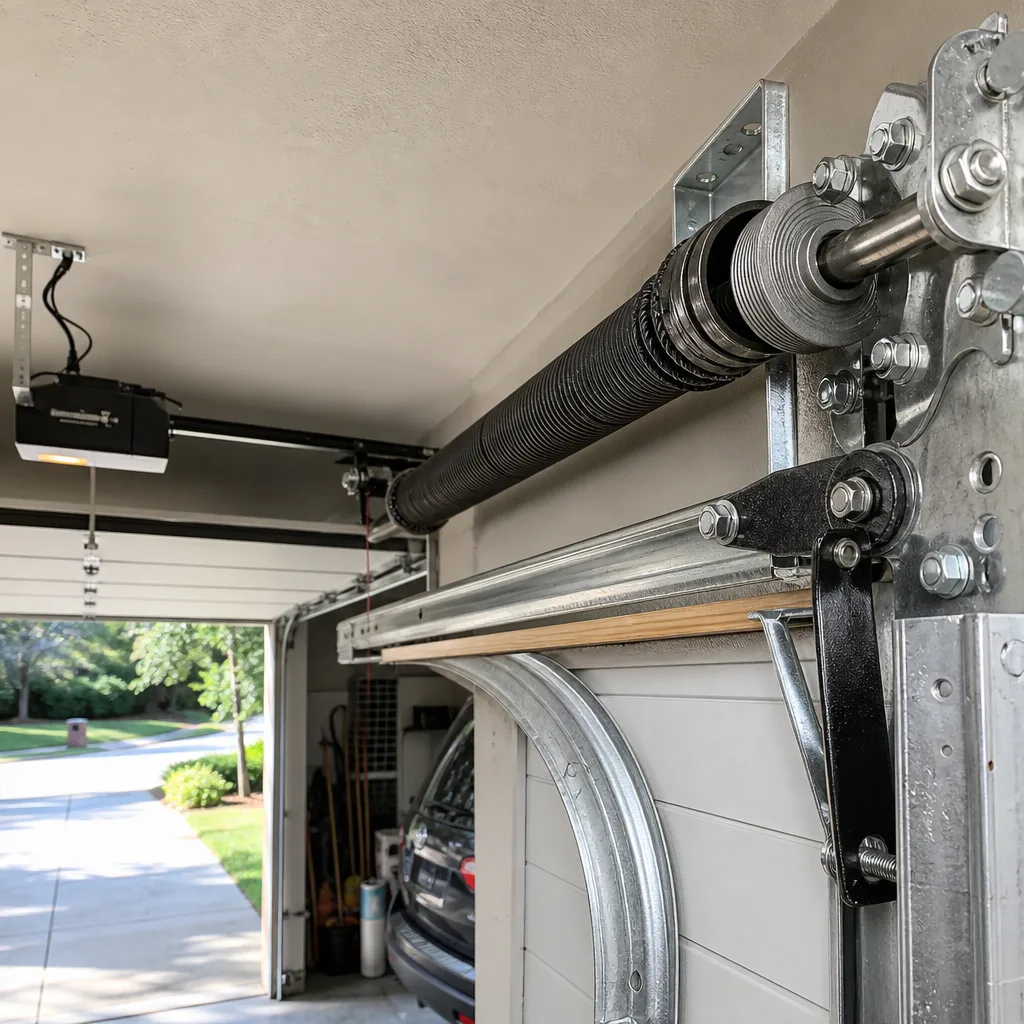
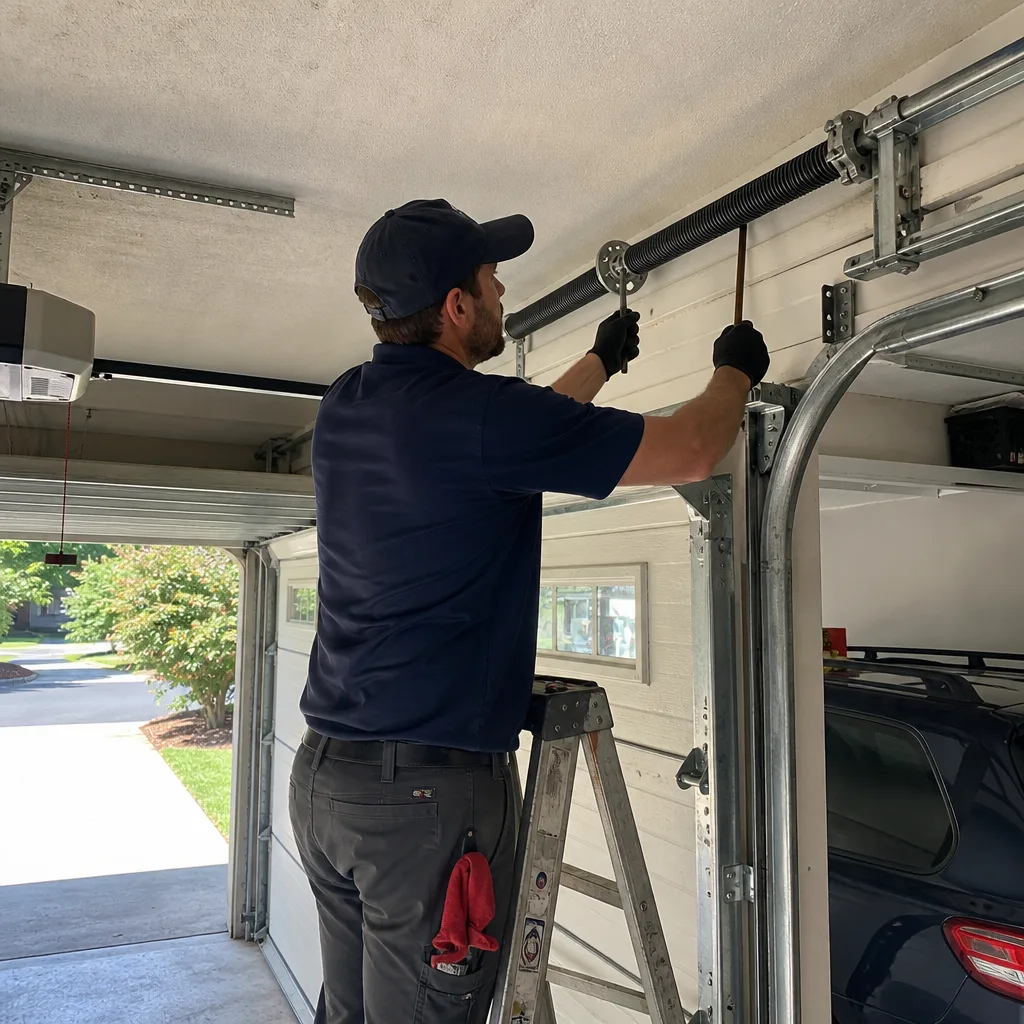
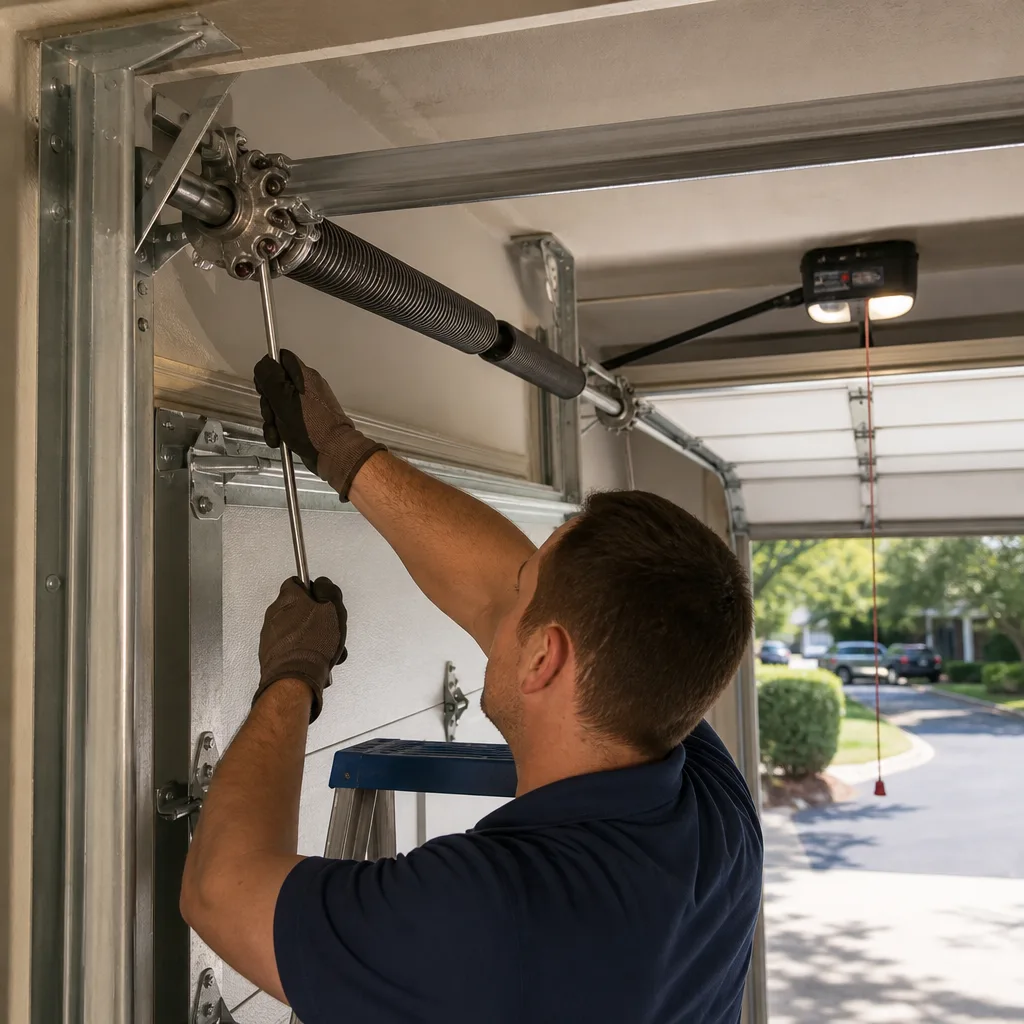
Heat is a separate issue. Torsion springs sit directly above the door, where garage temperatures in August can exceed 110°F even when the outside air is 92°F. Heat doesn’t weaken a properly installed spring, but it does change how the steel expands and contracts, which means a spring that was balanced in October may need a quarter-turn adjustment by July. If your door drifts upward a few inches when you disconnect the opener in summer, that’s a spring tension issue starting to show. Steel springs don’t fail from heat alone, but they do fail more often in August than any other month because that’s when minor imbalances get stressed the most. Spring replacement costs in Sandy Springs run $180 to $340 for a two-spring system, and most are done same day. It’s the one repair where you should not attempt it yourself. High-tension garage door springs can release enough stored energy to cause serious injury if mishandled, and this is exactly the kind of work to leave to a trained professional with the right winding bars and experience.
What to check each summer month:
- Early June: Run the door by hand and feel for resistance at the bottom of travel. Listen for wood scraping against the frame.
- July: Check the bottom seal for gaps. A seal that pulls away from the concrete in summer lets conditioned air escape and gives insects a path in.
- Late August: Disconnect the opener and test the balance. A balanced door stays in place halfway up. If it drifts, the springs need attention.
One note for households with kids and pets: summer is when garage doors in Sandy Springs get the most cycle activity, with bikes coming in and out, sports gear being loaded, and the door left open for air during play. That’s fine, but it means your rollers and hinges are working harder than any other season. If you choose to lubricate, use a silicone-based garage door lubricant or white lithium grease on hinges and rollers, never WD-40. And if you’re choosing between products, pick a pet-safe option for areas where four-legged family members might brush against the track. A quiet door matters in summer too, especially when nap time and early bedtimes run later because of the daylight.
Fall: Mature Trees, Nesting Insects, and Sill Debris (October to November)
Homes with mature trees near the garage have a different October than homes without. Sandy Springs is full of mature oak and pine canopy, and the fall leaf drop does three things to a garage door: it deposits leaf litter on the sill and inside the bottom track, it gives insects a sheltered place to nest inside the opener housing and behind the weatherseal, and it creates just enough dark, damp microclimates at the door base to accelerate rust on the bottom brackets.
Leaf buildup on the sill is the easiest to fix and the most commonly ignored. A half inch of wet leaves sitting against the bottom seal for two weeks will break down the rubber compound faster than a full year of normal wear, especially once those leaves freeze in January. The fix takes five minutes in October: brush the sill clean with a stiff broom, run your hand along the bottom seal to check for tears or hardening, and sweep the inside of the track at the base. This is a monthly task from October through December for homes with oak trees within twenty feet of the door.
Nesting insects are the hidden issue. Paper wasps and mud daubers look for quiet, covered spaces in fall, and the opener housing and the inside of the weatherstripping are exactly that. We’ve opened more than one Clopay or Genie opener housing in October and found a small wasp nest attached to the inside of the cover. It doesn’t trip the motor, but it makes any future opener repair more unpleasant than it needs to be, and a wasp sting near the ladder is not how anyone wants to spend a Saturday. The check is simple: stand on a secure stepladder in early October and look at the top of the opener unit with a flashlight. If you see a paper comb structure, spray it with wasp killer at dusk when the insects are inside, then knock it down the next morning once the colony is dead. Don’t do this with bare hands. Wear gloves and long sleeves, and if you’re uncomfortable on a ladder, this is exactly the kind of thing a garage door technician can handle in ten minutes during a routine service call.
What the door should feel like in October: same as any other month. No new grinding sounds, no sagging on one side. What it often feels like in October in Sandy Springs: the door opens fine but sounds louder, and the bottom edge has a slight drag. That’s usually leaf grit in the bottom roller bearings. A quick wipe with a dry cloth fixes the minor version. The deeper version means the bearing itself is packed with debris and needs replacing. Nylon rollers last 10 to 12 years in this climate if they’re kept clean. Neglected, they fail in 6 or 7.
Winter: Freeze-Thaw Cycles and Bottom Seal Failures (December to February)
The freeze-thaw cycle in Sandy Springs is harder on garage door bottom seals than constant cold would be. In northern cities where the temperature drops below freezing in November and stays there, seals stay frozen and stiff but stable. Here, a December week can go from 25°F overnight to 60°F by afternoon, over and over. The seal freezes, thaws, freezes, thaws, and each cycle micro-cracks the rubber. By February, the bottom seal on a two-car door often has multiple small tears that let cold air and insects through, and the door no longer seats cleanly against the concrete.
What to check before the first hard freeze, which in Sandy Springs usually arrives between mid-December and early January:
- Run your hand along the bottom seal with the door closed. You want the rubber to feel pliable, not stiff, and free of cracks longer than a quarter inch.
- Check the seal’s contact with the floor. Open the door a foot, close it, and crouch low. If you can see daylight under the seal anywhere along the width, that’s a gap that will get worse in a freeze.
- Look at the joint where the seal meets the aluminum or wood retainer. Ice expands in this joint and will pull the seal out of the track if it’s already loose.
- Test the door’s balance. Cold temperatures contract torsion springs, which makes a marginally unbalanced door feel significantly heavier in January. Disconnect the opener and try lifting the door by hand. It should lift smoothly and stay in place at the halfway point. If it drops, the springs need a professional adjustment before winter puts more load on the system.
Bottom seal replacement in Sandy Springs typically costs $85 to $140 installed for a standard 16-foot door, and it’s one of the best winter preparations you can make because it protects the interior of the garage from cold air, moisture, and mice looking for a warm winter home. The gap under a worn seal is exactly how mice in this area find their way into garages, then into walls. The seal is not the place to save money. It is the cheapest insurance you’ll buy all year, and it pays for itself in a single heating bill if the garage is attached to the house.
What the door should sound like in January: a steady, even operation. Cold doors are naturally slightly louder, but if you hear a sharp metallic pop from the spring area when the door moves, that’s the spring binding against itself or the center bracket. That’s the sound of a component under stress, and it is worth a same-day call to a professional. High-tension springs and cables are dangerous to work on without training and proper tools. If you hear a pop, stop using the door and call a technician.
Keep in mind that your Garage Door Spring Repair in Sandy Springs service professional can also do a winter check that covers the springs, cables, rollers, hinges, and balance for a flat rate, quoted before the work begins, so there are no surprises in the invoice.
The One-Page Seasonal Care Card for Your Garage
This is the entire guide on a single page. Print it, tape it inside the garage near the opener, and check the box for each season. It’s organized around what Sandy Springs weather actually does, not what a national calendar assumes.
Seasonal Garage Door Care Card for Sandy Springs
- Spring (late Feb to April): Pollen flush on tracks and rollers. Wipe with dry cloth, brush hinges, check opener rail. Listen for grinding. Feel for hesitation. Replace nylon rollers if they slide instead of roll.
- Summer (May to Sept): Check for wood panel swelling. Feel for resistance at bottom of travel. Check bottom seal for gaps. Test balance monthly. Lubricate with silicone or white lithium grease only. Keep door quiet during nap hours.
- Fall (Oct to Nov): Sweep sill and inside track monthly if trees are near. Inspect opener housing for wasp nests. Check weatherstripping for tears. Brush leaf grit out of roller bearings.
- Winter (Dec to Feb): Inspect bottom seal for cracks and daylight gaps. Test balance by hand. Listen for metallic popping from spring area. Replace seal if it’s stiff or torn. Stop using the door if you hear a pop and call a professional.
What “right” feels like year-round: the door moves through a full open-close cycle in 12 to 15 seconds, stays in place when you stop it halfway, and sounds like a steady hum rather than a grind, screech, or pop. What “right” sounds like: consistent. Not louder in one season than another without explanation.
Common Mistakes to Avoid
- Using WD-40 on rollers and hinges. WD-40 is a solvent, not a lubricant. It strips the existing grease and leaves the metal dryer than before. In Sandy Springs humidity, that translates to rust by the end of summer. Use silicone spray or white lithium grease.
- Following a generic maintenance calendar. A “lubricate in March and September” schedule misses the window completely. In Sandy Springs, the pollen flush is the February-to-April job, the humidity check is July, and the freeze-prep is late December. The national calendar is a starting point, not a local plan.
- Ignoring a door that’s louder in January than it was in October. Cold-weather noise is not just temperature. It’s components responding to contraction, and it’s the earliest warning you’ll get before a failure. A noise change is a reason to look, not a reason to shrug.
- Leaving leaves to accumulate on the sill. Ten minutes of sweeping in November saves a bottom seal in January. Wet leaves are acidic, they freeze, and they break down the rubber seal faster than nearly anything else in this climate.
- Attempting DIY spring repair. Torsion springs are under hundreds of pounds of tension. A spring that releases unexpectedly can cause serious, life-changing injury. This is not a YouTube tutorial situation. It’s a call-a-professional situation, every time.
- Running the door with a visible track obstruction. If a roller is wobbling, a cable is fraying, or the track is visibly bent, running the door until it fails does more damage. A small problem caught early is a $120 fix. Run to failure and it becomes a $500 one.
- Skipping the balance test. Two minutes with the emergency release cord tells you more about spring health than anything else on this list. A door that drops when you let go at the halfway point is talking to you. Listen before it fails on a cold morning.
When to Call a Professional
Call a professional when the door won’t stay in place after you disconnect the opener, when you hear a metallic pop from the spring area, when a cable is frayed or dangling, when a wood panel is visibly swollen and binding, or when you hear a grinding sound you can’t trace. Also call if the door opens crooked, if the motor runs but the door doesn’t move, or if a roller has left the track entirely. These are not tune-up problems. They’re safety issues. Fernbrook Garage Doors Sandy Springs offers free estimates in Sandy Springs, call (912) 348-5341. Every visit starts with a written price before any work begins, so the number you’re quoted is the number you pay.
Frequently Asked Questions
Lubricate the rollers, hinges, and springs twice a year in Sandy Springs, once in late March and once in early October. The March application protects against summer humidity, and the October application protects against winter condensation. Use a silicone-based garage door lubricant or white lithium grease, never WD-40. Homes near the Chattahoochee River or with heavy tree canopy may want a third application in June. Call (912) 348-5341 if you want this done as part of a full seasonal tune-up with a written price first.
A pollen flush is a 20-minute cleaning of the tracks, rollers, hinges, and opener rail to remove the sticky yellow pollen that binds to lubricant and creates paste-like grime. In Sandy Springs, every garage door benefits from one flush in late March and a second in mid-April. It’s the single most effective thing you can do to extend roller life and reduce opener strain.
Garage door spring repair in Sandy Springs typically costs $180 to $340 for a standard two-spring system, including the springs and labor. Prices vary based on door weight, spring type, and whether the cables need attention at the same time. The exact number is quoted and agreed before any work starts, so you’ll never face an invoice that’s bigger than the quote. Call (912) 348-5341 for a free estimate.
Wood garage doors in Sandy Springs stick in summer because the panels absorb ambient humidity and swell, usually between June and September. The first sign is resistance or a pause right at the bottom of travel. The fix ranges from a track clearance adjustment, which is quick and affordable, to panel replacement, which runs $350 to $750 per panel. Catching it early is the difference between those two numbers.
No. With Fernbrook Garage Doors Sandy Springs, the price is written down before any work begins, every visit, no exceptions. If the technician finds something additional during the job, that becomes a separate conversation with a separate written price. Nothing gets added to your invoice without your approval. This is the Cedarwell Care Promise, and it’s the standard on every call, from a bottom seal replacement in December to a full spring replacement in August.
Yes. Fernbrook Garage Doors Sandy Springs has a live person answering the phone 24 hours a day, 7 days a week, and we schedule same-day service for door repairs whenever possible. Call (912) 348-5341 and you’ll describe the problem to a person, not a voicemail tree, and we’ll give you a time window before you hang up. The price is quoted before work starts, so you know the number from the first visit.
The Bottom Line
Sandy Springs weather doesn’t play by a national seasonal calendar, and your garage door shouldn’t either. Four targeted checks a year, timed to pollen, humidity, leaf drop, and the freeze-thaw cycle, will keep a door running quietly and reliably for a decade or more. The pollen flush in March, the swelling check in July, the insect check in October, and the seal inspection in December are the four jobs that matter most. None takes more than 20 minutes. All of them together cost less than one avoidable repair. If anything on this guide feels beyond what you want to handle, the Fernbrook team will come out, give you a written price before touching anything, and leave the garage cleaner than we found it, with a photo to prove it. For more guides & resources, visit our blog.
Written by Jesse Calder, Owner at Fernbrook Garage Doors Sandy Springs, serving Sandy Springs since 2002.
See the difference
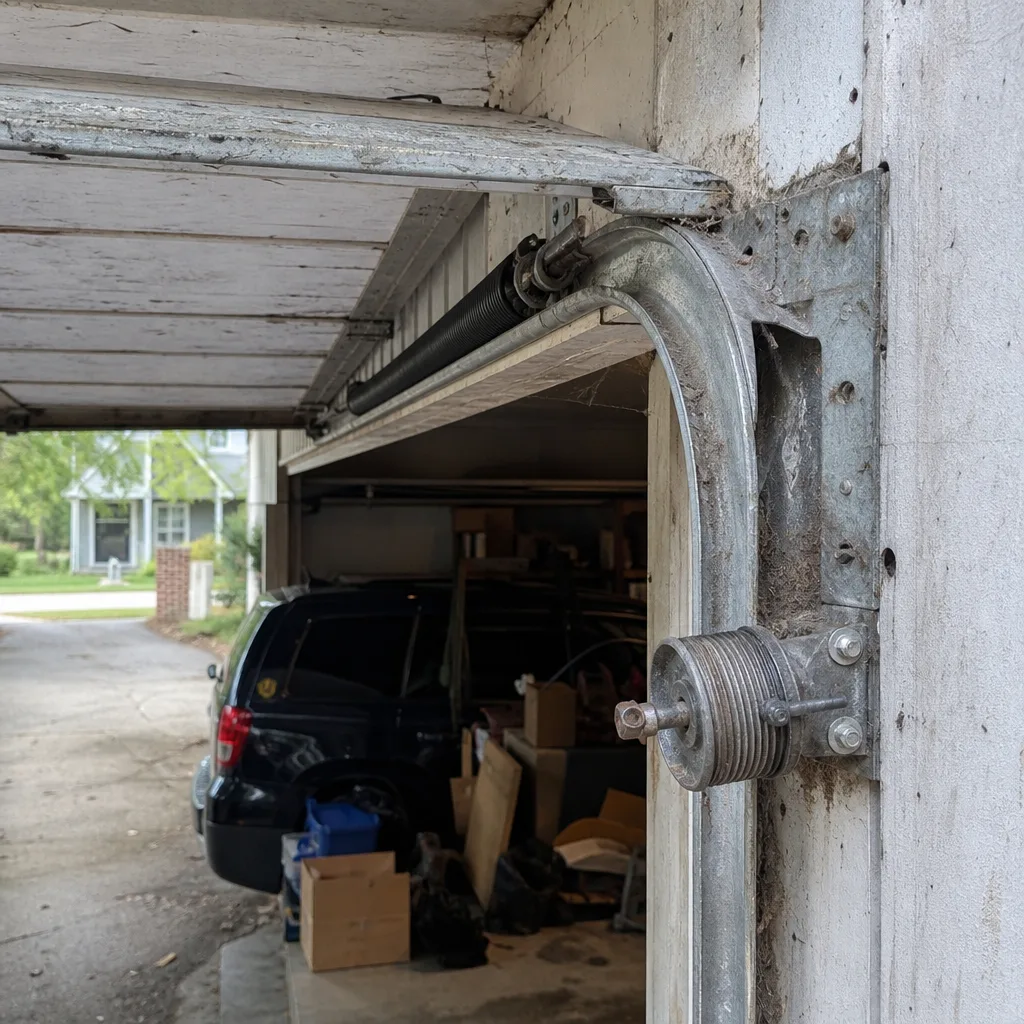 Before
 After
After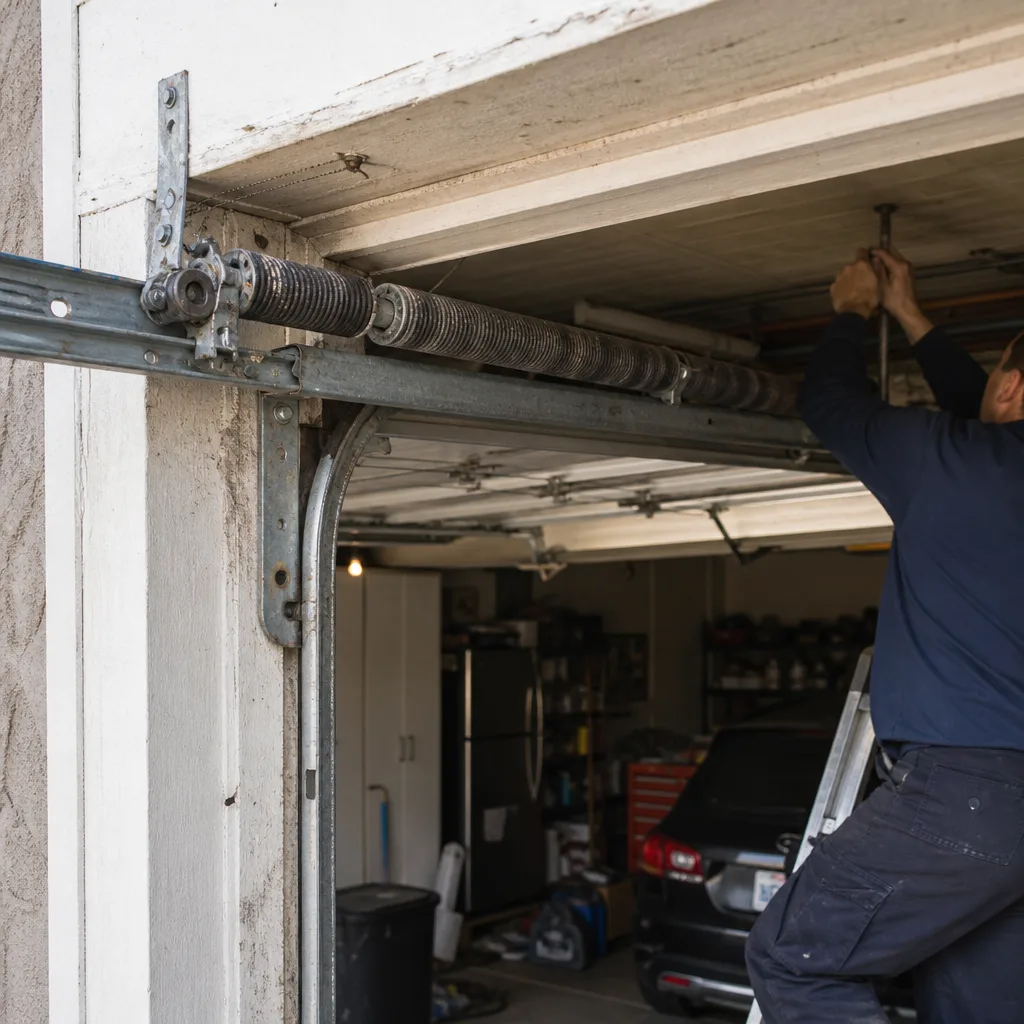 Before
 After
After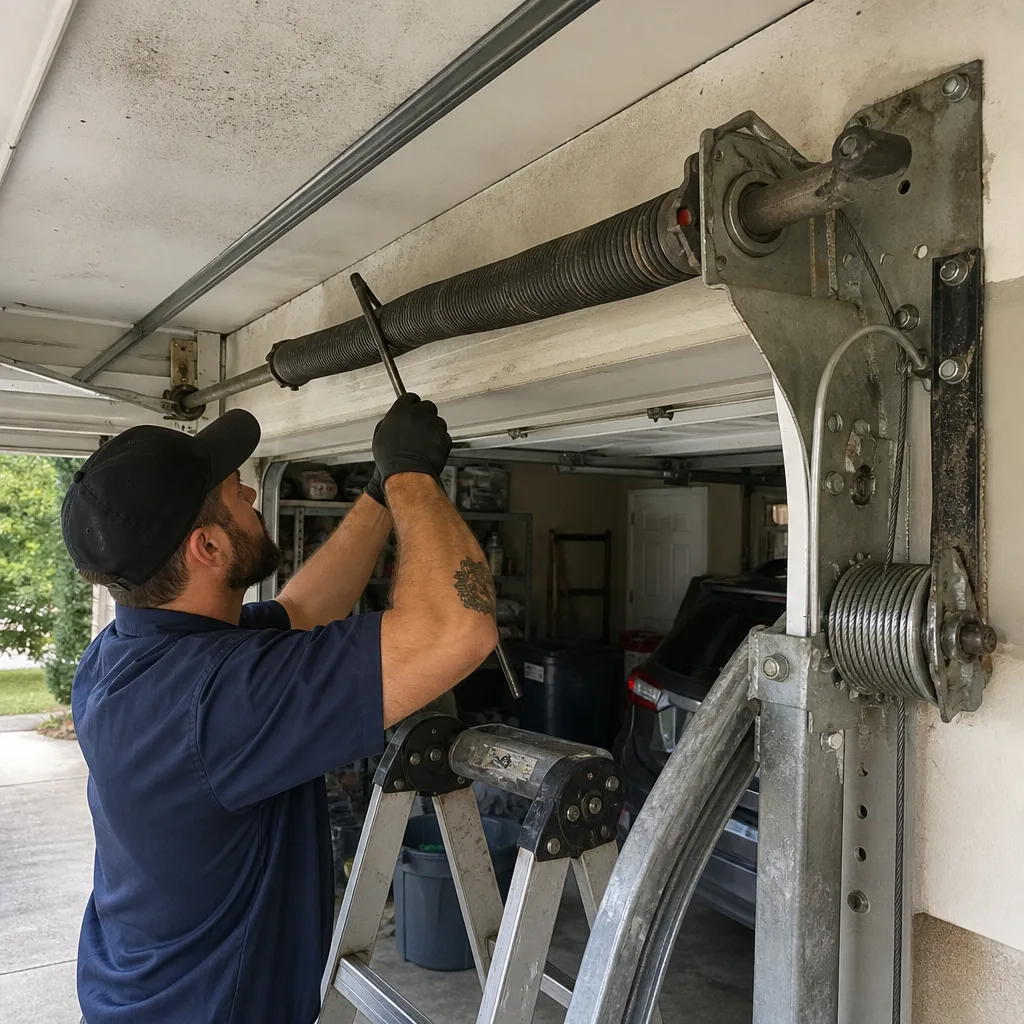 Before
 After
After