
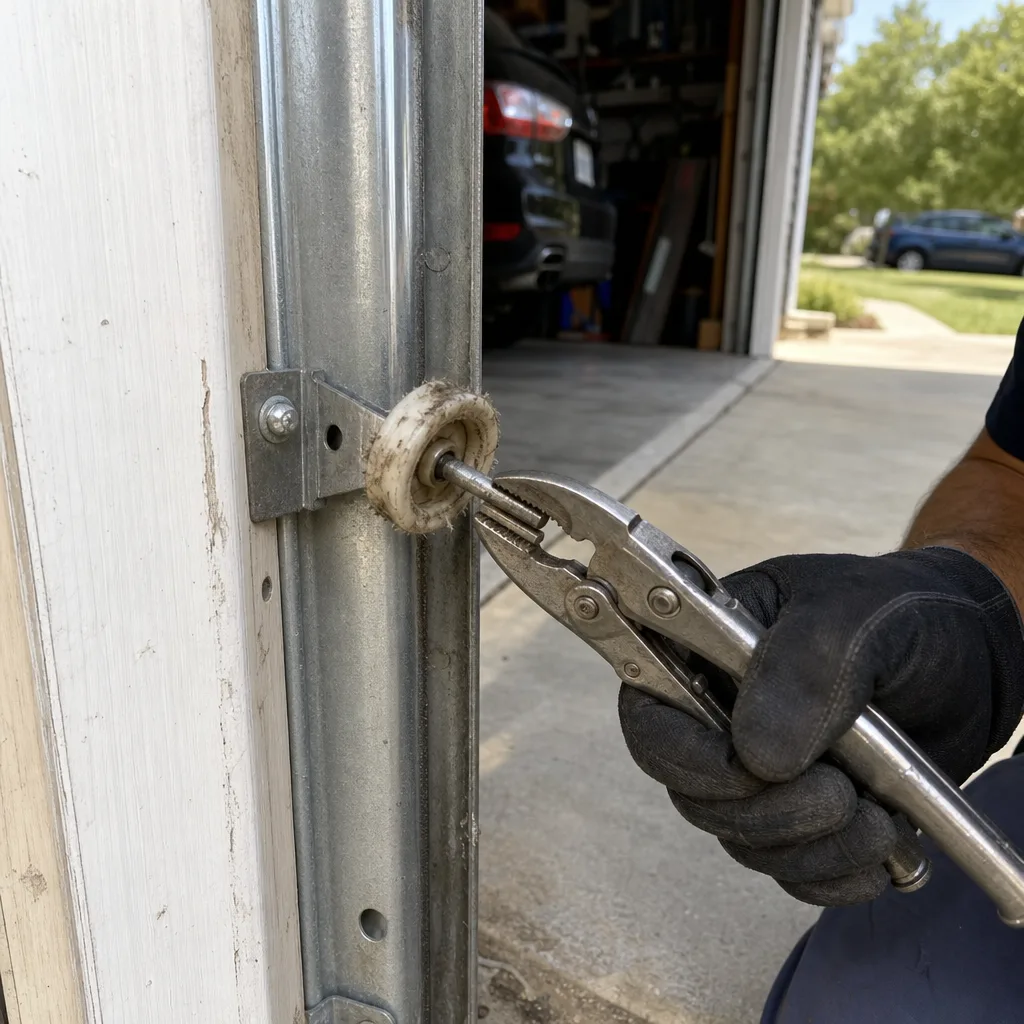
Last updated October 17, 2026
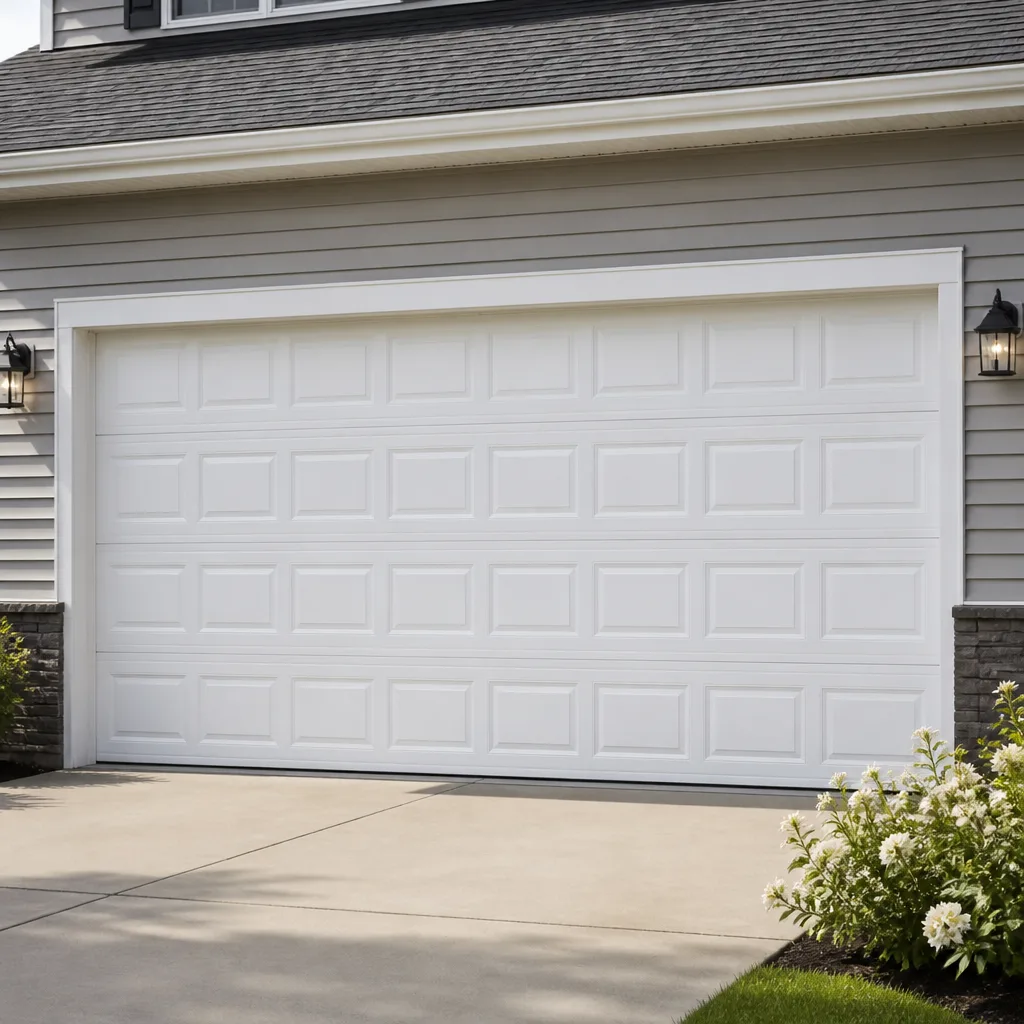 Raised-panel steel
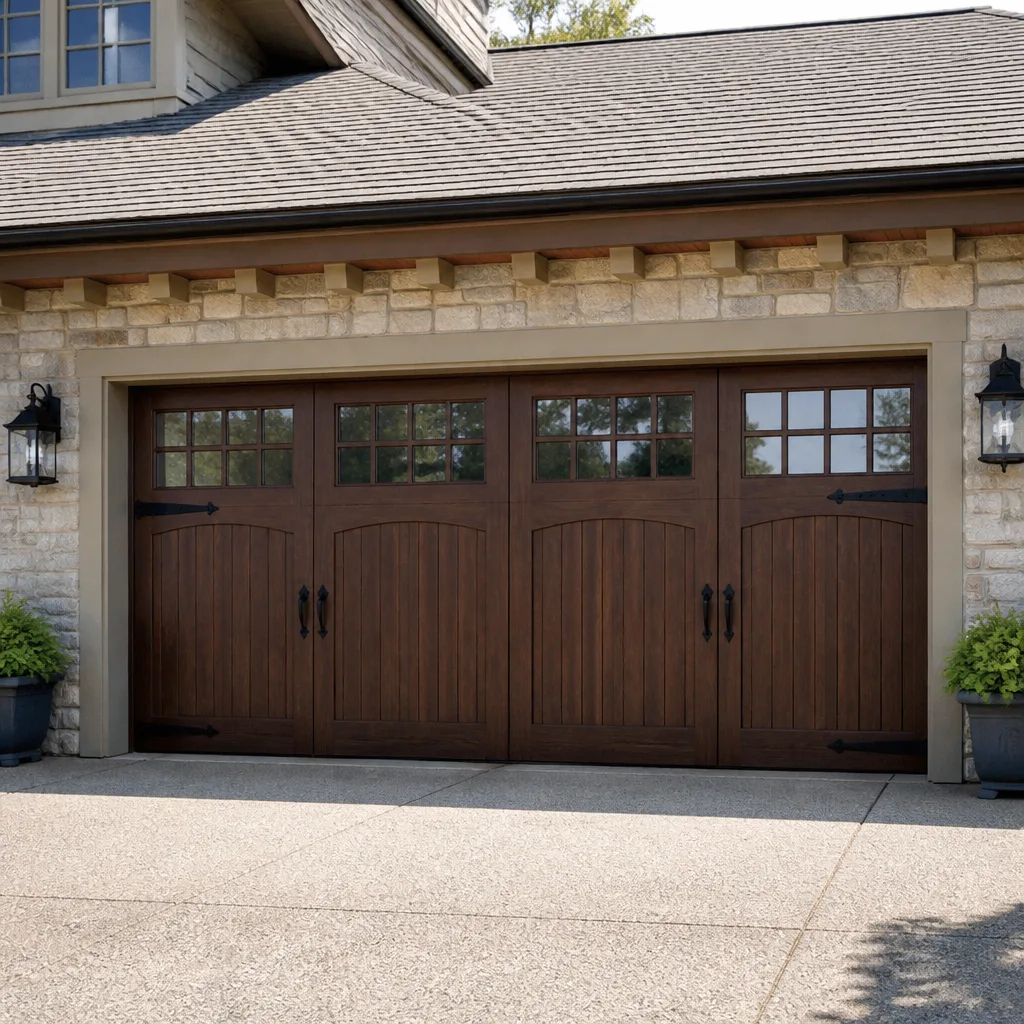 Carriage house
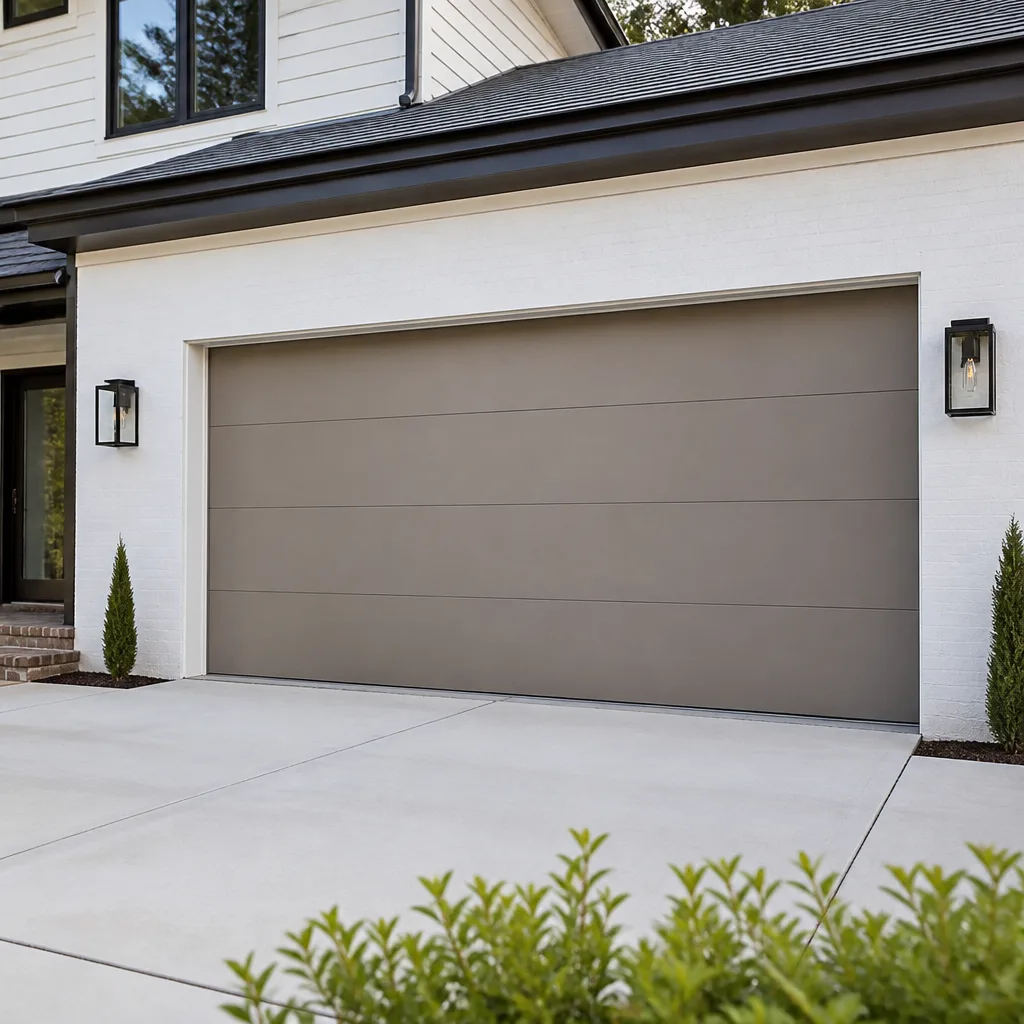 Modern flush
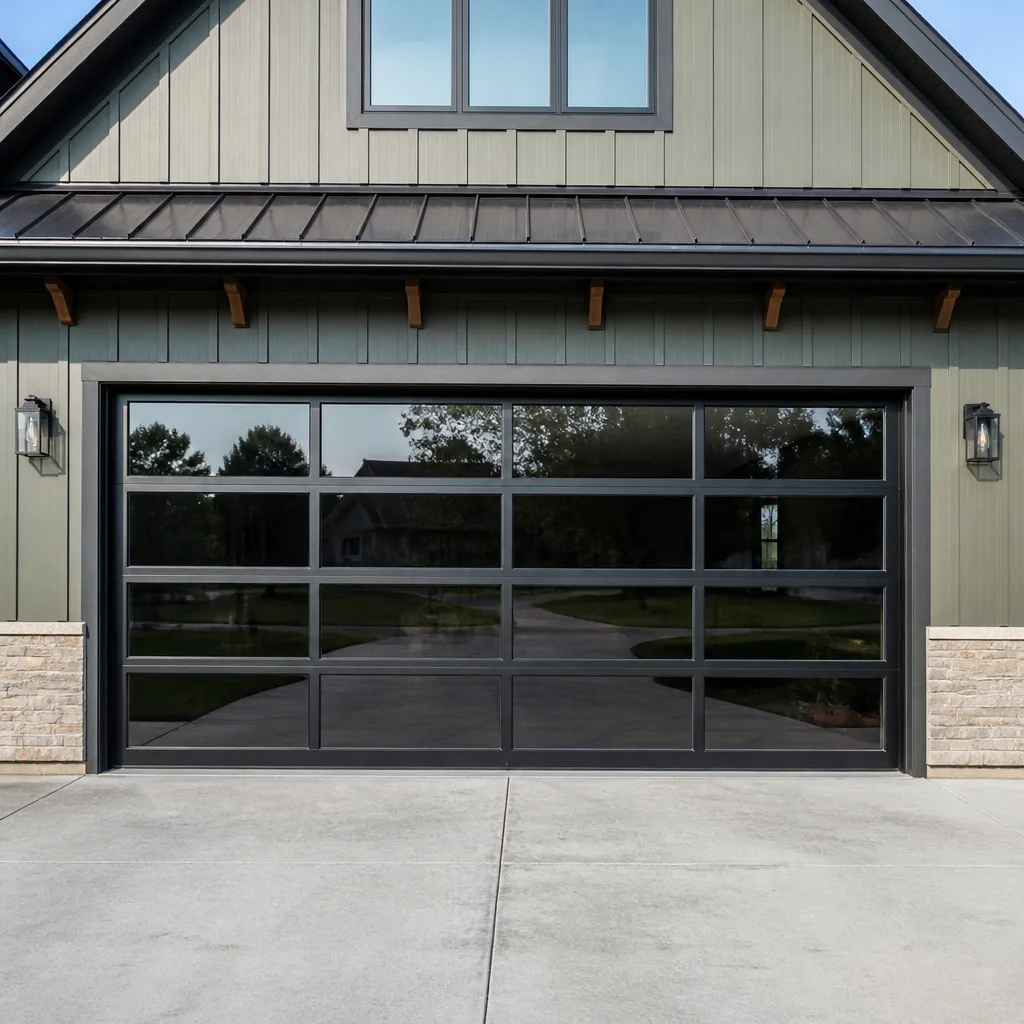 Full-view glass
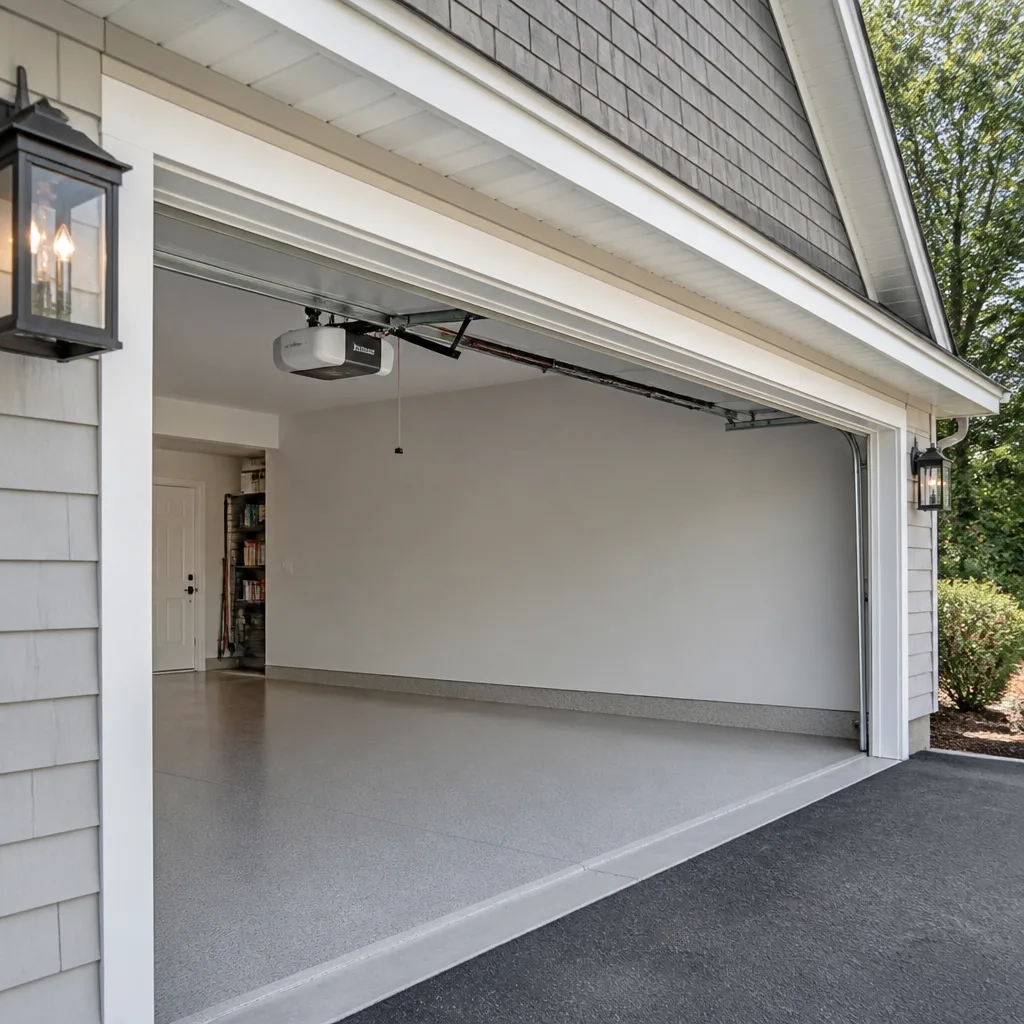 LiftMaster openers
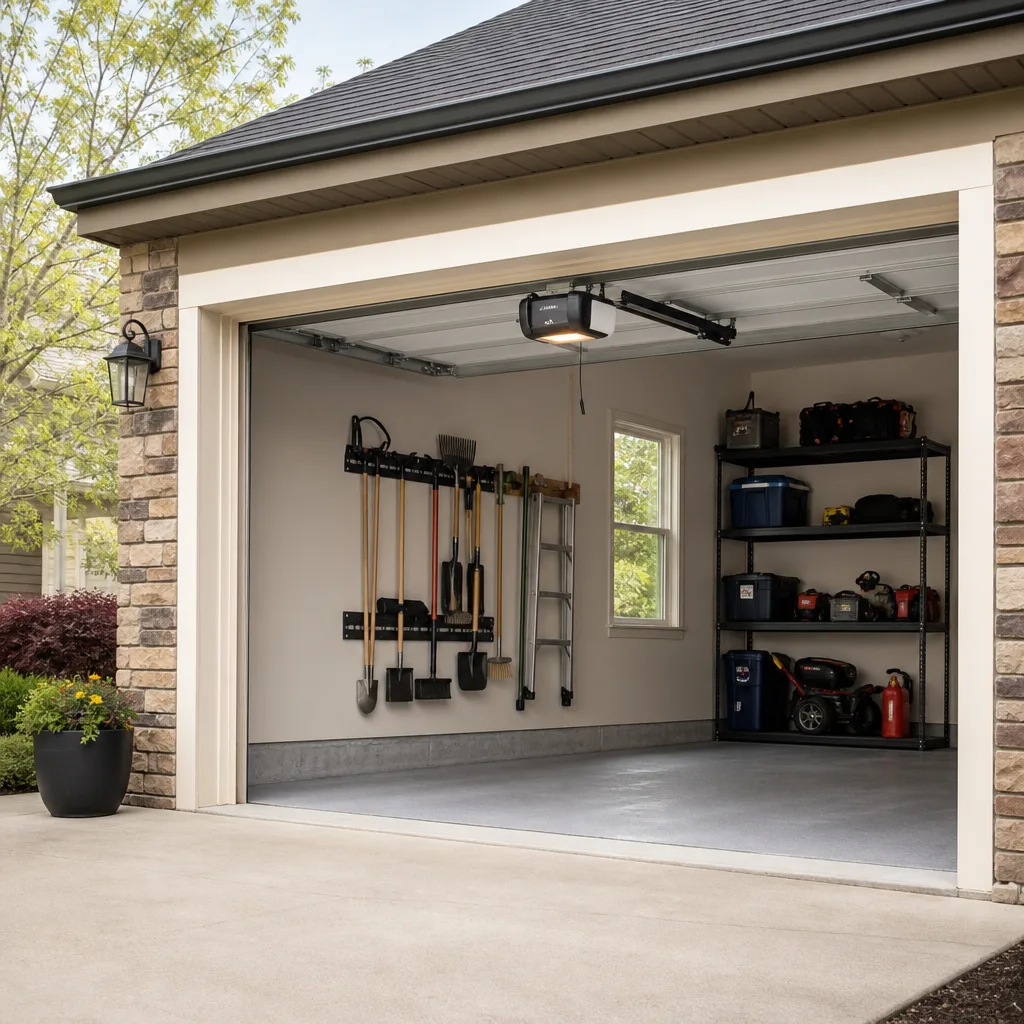 Chamberlain openers
Full 25-point door and opener safety check with every visit - springs, cables, rollers, tracks, and your LiftMaster or Chamberlain opener included
You get a price before we start. It does not change when the truck arrives.
Get your free estimateGarage Door Warning Signs: A Sandy Springs Homeowner’s Reference Guide
Most homeowners think a garage door fails the way a lightbulb does: one minute it works, the next it doesn’t. In fifteen years of working on doors across Sandy Springs, from the 1950s ranchers off Mount Vernon Highway to the newer builds near Abernathy Road, we’ve found the opposite is true. A garage door almost always announces its problems in advance. It slows down by a second and a half. It makes a new sound on the way up. It leaves a wider gap on one side than it did last month. The trouble is, those signals are quiet, and they’re easy to ignore until they turn into a door that won’t budge on a cold morning when you’re already running late. This guide will teach you to read those signals the way a technician does, so you can fix a fifty-dollar problem before it becomes a five-hundred-dollar one, and you can find more guides & resources on our blog. We’ll cover what to listen for, what to look at, how to run a simple balance test in under a minute, and how to describe what you’re seeing so a repair call takes five minutes instead of twenty.
Quick Answer
The most common garage door warning signs in Sandy Springs are a door that moves slower than it used to, a new grinding or squealing sound during operation, visible wear or rust on the cables and springs, and a door that doesn’t sit evenly in the frame when closed. Of these, a change in speed or sound is the earliest and most reliable indicator, usually pointing to spring fatigue, which is both common and predictable with regular use. If you notice any of these, a same-week inspection is the right response, and a door that won’t stay up, shakes violently, or has a visibly snapped cable needs same-day attention from a professional.
Styles & brands we work with
Table of Contents
- Sounds: What Your Door Is Trying to Tell You
- The 60-Second Balance Test
- Visual Checks You Can Do Without Tools
- The Bottom-Corner Gap: What It Really Means
- Sandy Springs Climate and Your Garage Door
- How to Describe the Problem to a Technician
- Common Mistakes to Avoid
- When to Call a Professional
- Frequently Asked Questions
Sounds: What Your Door Is Trying to Tell You
A garage door that’s running well makes a specific sound: a low, even hum from the motor, a soft rumble as the rollers travel the track, and a firm thump when the door seats against the ground. When one of those sounds changes, the door is giving you information. Learning to tell a squeal from a grind from a clunk will tell you whether you have a week to schedule service or should make the call before the school run tomorrow.
The Squeal: Same-Week Attention
A high-pitched squeal, the kind that makes you wince, almost always comes from dry or worn rollers. Metal rollers with bearings that have lost their lubrication will squeal as they spin. Nylon rollers can too, though less often. This isn’t an emergency, but ignoring it means extra friction on the track, which puts strain on the motor and the springs. In our experience, a squeal that’s allowed to continue for months becomes a bigger repair, because the roller wears down and starts to wobble in the track. If the roller seizes completely, the door will jerk as it moves, and that’s a harder problem. Think of it like a car with a dry wheel bearing: the fix is easy if you catch it early, expensive if you let it grind itself apart.
The Grind: Same-Day Attention If It’s Coming From the Springs
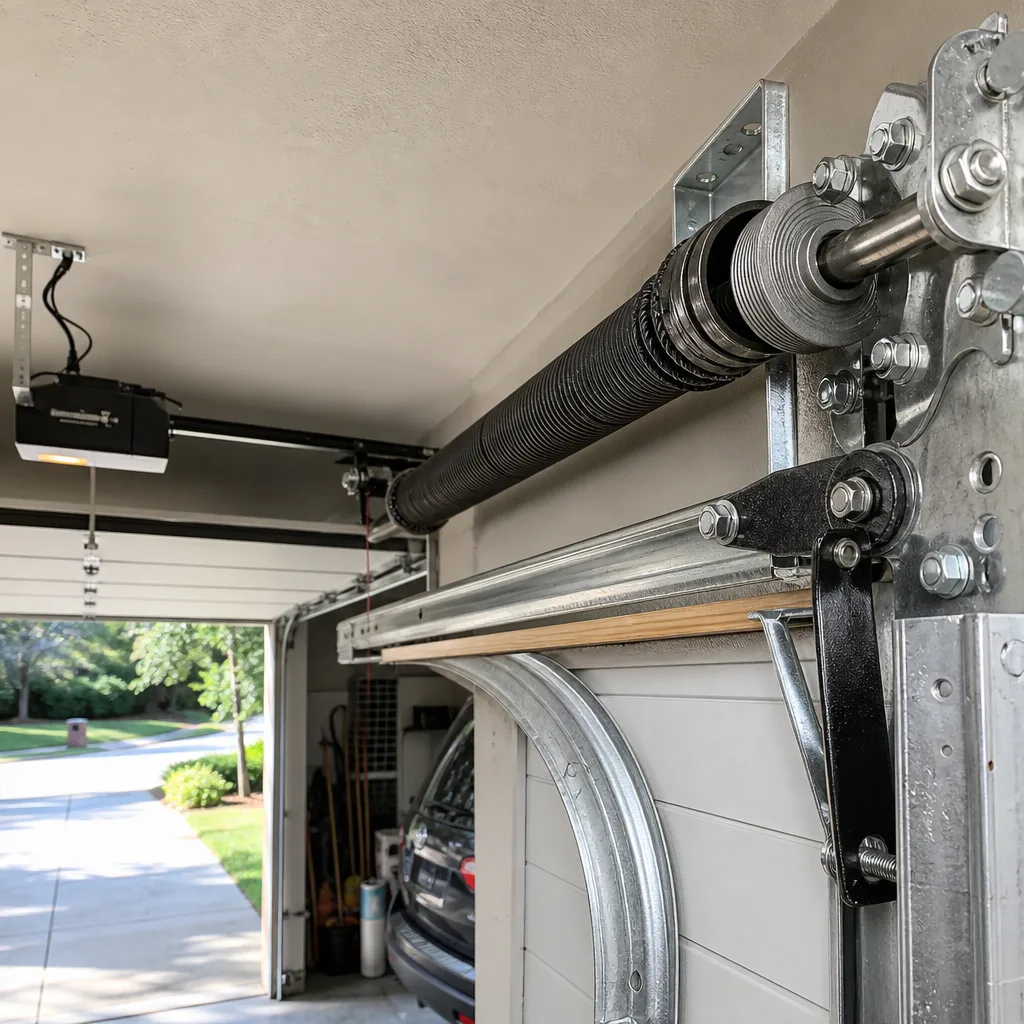
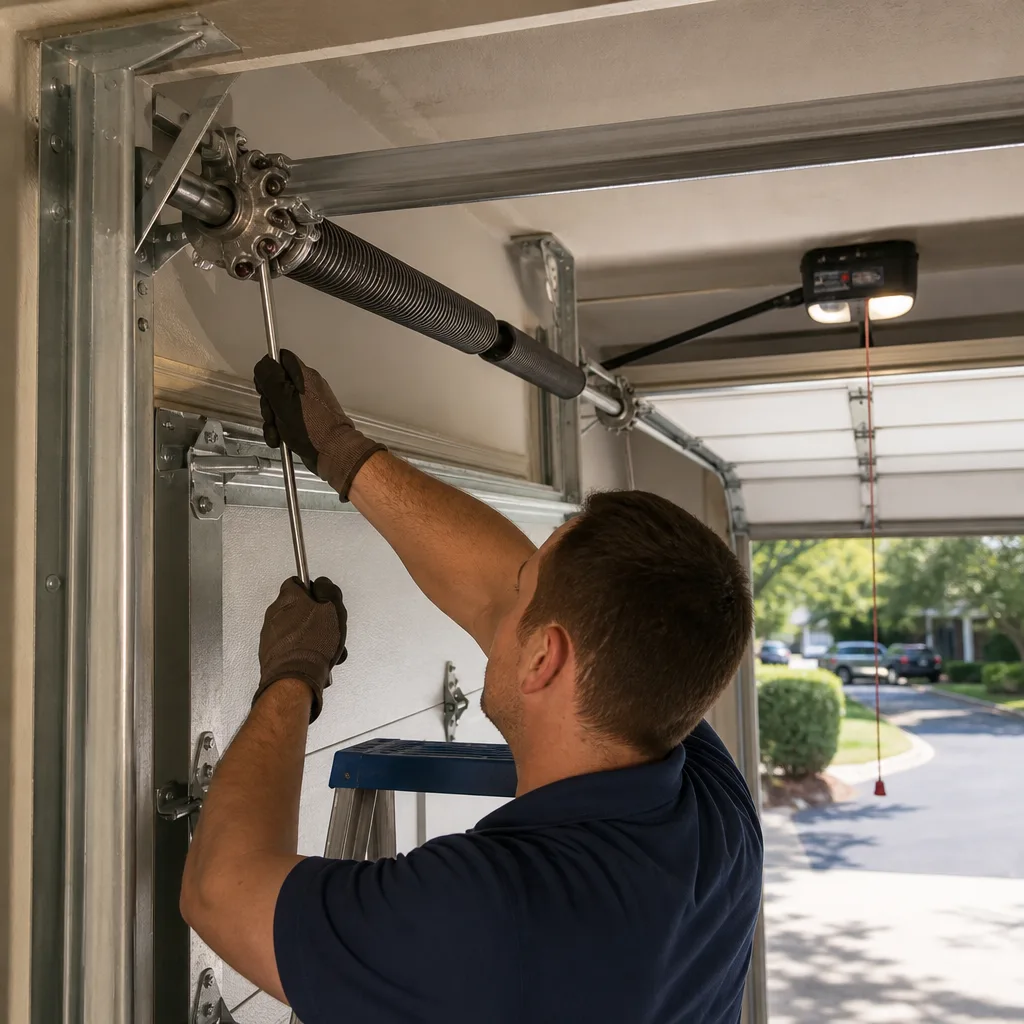
A grinding sound is different from a squeal. It’s lower, rougher, and sounds like metal scraping against metal without any lubrication. This is the sound we hear from a spring that’s beginning to fail, especially if the door is over eight years old. Torsion springs sit on a bar above the door, and as they age, the coil can bind and scrape against itself under tension. Extension springs, the kind that run along the track, make a similar sound when they’re stretched beyond their useful life. A grinding noise near the opener motor, on the other hand, usually points to a gear or sprocket inside the unit that’s worn. Either way, grind is a signal to stop using the door and call a professional. Springs under tension are dangerous, and no amount of lubricant will fix a broken spring. If the grind is new, call us before the door stops working entirely; a garage door spring repair in Sandy Springs is faster and less expensive before a full failure than after.
The Rhythmic Clunk: Same-Week Attention, Same-Day If It’s Loud
A clunk that happens at the same point in the door’s travel every single time is usually a roller hitting a damaged section of track, a loose hinge, or a dent in the rail. Because it’s rhythmic and predictable, it tells you the problem is at one specific spot, not spread across the whole system. A soft clunk is worth a service call this week. A sharp, loud clunk that shakes the door means something is catching hard, and that can throw the door off its track if it goes unchecked. The difference matters: soft sounds leave you time, sharp ones don’t.
The 60-Second Balance Test
This is the single most useful diagnostic a homeowner can run, and it requires no tools and no contact with the dangerous parts of the door. The springs are what lift your door. The opener motor just guides it. When springs get weak, the motor works harder than it’s meant to, and that’s how an opener that should last fifteen years gives up in seven. The balance test tells you how much of the lifting the springs are still doing.
- Close the door. Make sure the area around the door is clear of kids, pets, bikes, anything.
- Pull the release handle. This is the red cord that hangs from the opener rail, usually about six feet off the ground. Give it a firm pull straight down. You’ll hear a click, and the door will now be in manual mode.
- Lift the door by the handle or bottom edge. None of this exposes you to the spring, so you’re safe up here. The door should rise smoothly with moderate effort, a two-hand lift for most people. It should have weight to it, but not resistance.
- Stop halfway. If the springs are healthy, the door should stay put at the halfway point, maybe drifting an inch or two before settling. A door that starts to drop from the halfway mark has springs that are losing tension. A door that shoots upward on its own means the springs are overwound, which is less common but just as much a reason to call.
- Lower the door back down and re-engage the opener by pulling the release handle again and running the opener until it reconnects, or by pressing the wall button if your model re-engages automatically.
Run this test twice a year, once when you change your smoke detector batteries in the spring and once in the fall, as part of your Seasonal Garage Door Care for Sandy Springs: Year-Round Homeowner’s Guide routine. Write the result on the side of the opener with a marker: “Balanced, Nov 2025.” That way, when the door starts behaving differently, you have a baseline. Sandy Springs sees enough humidity and temperature swing that a door can change measurably over a single season, and knowing what the door felt like six months ago is more reliable than memory.
Visual Checks You Can Do Without Tools
You don’t need to touch anything that’s under tension to do a useful visual inspection. Stand in front of the closed door, then step to the side and look at the hardware. These checks take about two minutes and will catch most problems before they become breakdowns.
The Cables
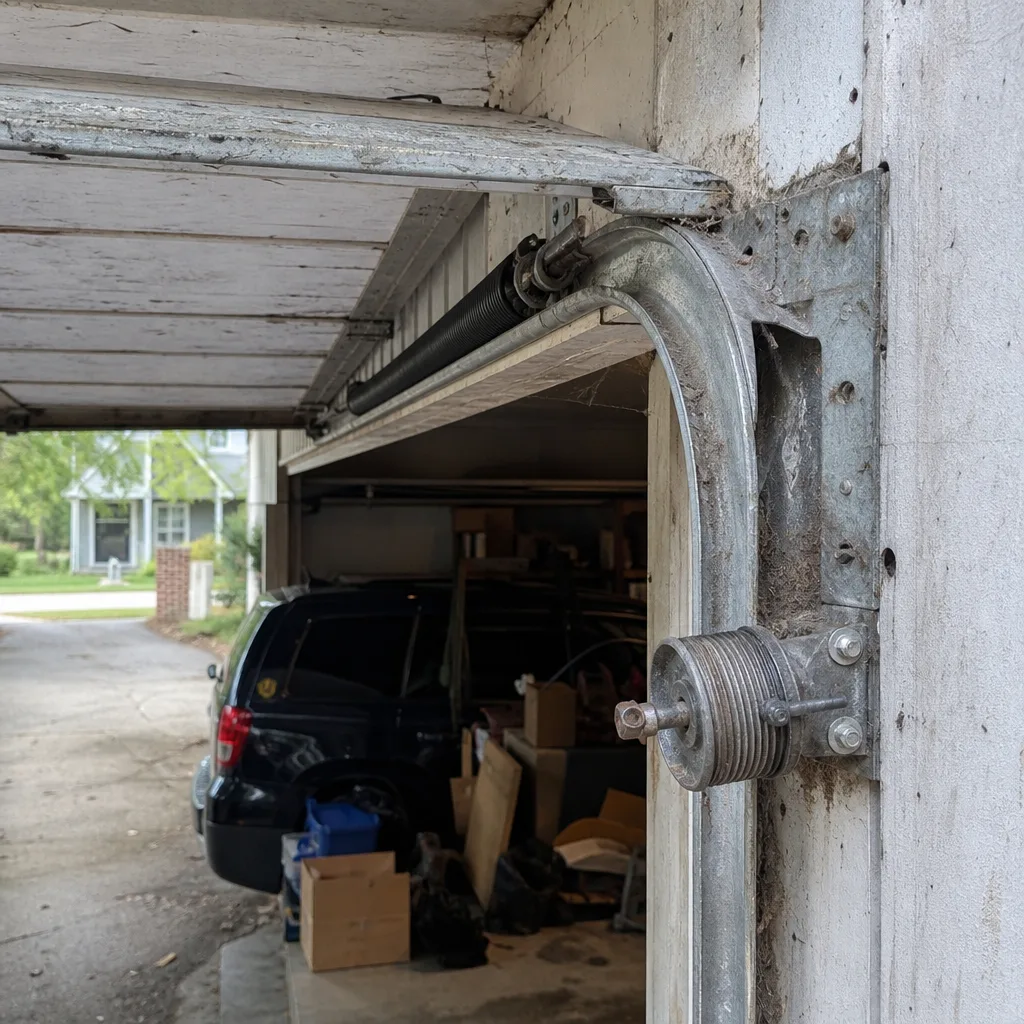
Look at the cables that run along each side of the door, from the bottom bracket up to the spring assembly. You’re looking for three things: rust, fraying, and kinks. A frayed cable looks like a rope starting to unravel, with individual wire strands poking out away from the main bundle. A kink is a sharp bend that doesn’t straighten out when the door moves. Any of these means the cable is close to failure, and a cable that parts while the door is moving creates a genuinely dangerous situation: the door can drop, and a falling door can hurt someone underneath it. If you see fraying or kinks, don’t run the door. Call for service. On doors from brands like Wayne Dalton and Amarr, the cables are matched to the spring system by the manufacturer, and the right replacement matters.
The Rollers
With the door open, you can see most of the rollers where they sit in the track. A healthy roller is round and sits square in the track. Look for rollers that are visibly worn on one side, cracked, or missing the little ball bearings on the side. Also look at where the roller stem enters the hinge. A roller that’s wobbling has play in the stem, which means the hinge hole is worn. That wear will only get worse, and the door will start to rattle even when it’s moving well. Roller replacement is one of the least expensive repairs we do, and it makes an immediate difference in how the door sounds, especially on a Raynor or Clopay that’s been in place for a decade.
The Bottom Brackets and Weatherstrip
Crouch down at the corners and look at the bottom brackets, the metal plates that connect the door to the cables. They should sit flush against the bottom panel, with no visible gap, and the bolts shouldn’t move when you press on the bracket with your thumb. A loose bolt here is a five-minute fix, but left alone it allows the bracket to shift, and the cable tension then pulls at an angle. The most dangerous cable failures we see in Sandy Springs start as a loose bottom bracket that was ignored for a year. The rubber weatherstrip along the bottom of the door should be intact and make even contact with the concrete across its full width. If it’s crumbled or torn, cold air and rain come in under the door, and you’re paying to heat and cool your driveway. Replacement strip is inexpensive and takes us about twenty minutes to install.
The Bottom-Corner Gap: What It Really Means
Here’s a scenario we hear constantly from Sandy Springs homeowners: the door opens and closes fine, the opener runs fine, the family has used the door daily for years without a hitch, but there’s a gap at one bottom corner, maybe half an inch, that lets in daylight and leaves and the occasional palmetto bug. The easy explanation is that the weatherstrip is worn, and sometimes that’s true. But often, the weatherstrip is fine, and the gap is telling you something structural.
A garage door sits in a frame, and the frame sits on a concrete slab. Over time, concrete shifts. In Sandy Springs, where the soil is heavy with clay and the summers alternate between downpour and drought, slabs move more than most homeowners expect. When the slab settles at one corner, the door’s frame twists with it, and the door, which is perfectly rectangular, no longer seats fully against the ground on one side. The gap you’re seeing isn’t a weatherstrip problem. It’s a sign that the frame or the track has shifted out of square. You can check this by laying a level across the door’s bottom panel when it’s closed; if the panel is level but the floor isn’t, the slab is the culprit. If the panel itself is angled, the track has drifted.
Either way, the fix is not “shove new weatherstrip in the gap.” A competent technician needs to square the tracks or shim the frame, and sometimes the bottom section of the door needs adjustment to follow the angle of the slab. We’ve done this repair in neighborhoods from Riverside to Dunwoody, and it’s usually a one-visit fix. The reason to address it early is that a door that closes unevenly puts uneven load on the springs and distributes stress unevenly across the panels, which shortens the life of both. That gap is the door’s way of saying the frame is moving; listen to it before the panel cracks or the track pops a roller.
Sandy Springs Climate and Your Garage Door
Your garage door lives outside, more or less. In Sandy Springs, it endures long, humid summers, afternoon thunderstorms that roll through with little notice, and a few hard freezes most winters. Those conditions change how a door wears, and they explain some of the patterns we see in our service calls.
Humidity and Rust
Sandy Springs sits in a humid subtropical climate. From June through September, every metal surface in an uninsulated garage is holding moisture a lot of the time. Steel springs and cables rust. Hardware corrodes. Squealing gets worse faster than it would in, say, Denver or Phoenix. This is a strong argument for a visual check every three months instead of twice a year. It’s also why we recommend that any spring replacement in this area uses rust-inhibiting treatment if the garage isn’t climate controlled. The metal parts of your door are going to be wet more often than not, and the small upcharge for coated parts is cheaper than a second replacement.
Summer Heat and Opener Motors
Above the door, especially in an unfinished garage, the July temperature can exceed 120 degrees by mid-afternoon. Opener motors generate their own heat, and when the air around them is already hot, the motor runs hotter than it was engineered to run for longer stretches than the manufacturer assumed. We see more opener failures in August than in any other month. The preventive move is to schedule your twice-yearly check for late spring, before the heat starts, and to run the opener in the cooler parts of the day when possible. If you’re replacing an opener, models from LiftMaster and Craftsman with belt drives run cooler and quieter than chain drives, which matters in a warm climate.
Winter Cold and Spring Metal
Cold makes steel brittle, and a spring that’s already worn will often part on the first genuinely cold morning of the year. The metal contracts, the stress concentrates at the weakest point, and the spring lets go. This is why February is our busiest month for garage door spring repair in Sandy Springs. The pattern is predictable enough that we can say with confidence: if your springs are over eight years old and you haven’t had them inspected, the smartest move is to have that inspection done in October or November, before the cold tests them. If your door makes a sound like a gunshot on a cold morning and then won’t open, that’s a snapped spring, and it needs professional attention before you run the door again.
How to Describe the Problem to a Technician
When you call a garage door company, the person on the phone is trying to determine how urgent the call is, what parts the technician should bring, and whether the door is safe to use in the meantime, which is why we wrote How to Hire a Garage Door Contractor in Sandy Springs: A Step-by-Step Guide. The more precisely you can describe what you’re observing, the better that triage works. Here’s a structure we teach our office staff to use, and it’ll serve you on any call, to any company.
- Say what changed, not just what’s wrong. “The door stopped working” tells us almost nothing. “The door opened fine yesterday, and this morning it’s getting about two feet up and then reversing” tells us a lot. Think about when you first noticed the change and what was different in that moment.
- Name the sound with a word. Squeal, grind, clunk, bang, rumble, ticking. One word beats “it’s making a weird noise.” We can usually identify whether the likely cause is a roller, a spring, or the motor just from the word you choose.
- Say where in the door’s travel the problem happens. Does it struggle at the very start, halfway up, or in the last six inches before closing? “It slows down right before it closes” is a different problem from “it jerks on the way up.”
- Tell us what you see from the outside and the inside. A gap, a leaning panel, a cable that’s loose on the drum, a roller that isn’t sitting in the track. Screenshots and photos help a lot; the office can forward them straight to the technician’s tablet.
- Say whether the door is safe to leave as is. If it’s stuck open, say so. If it’s closed but you’re not sure it’ll open, say that. If it’s making a sound but moving fine, tell us you’re not touching it until we get there.
That five-point description takes about ninety seconds to give, and it means the technician shows up with the right parts on the truck and the right diagnosis in mind before they’ve even backed into the driveway. It also means that when you call Fernbrook Garage Doors Sandy Springs, the person who answers can send out a technician who knows what to expect. Our phones are answered by a live person 24 hours a day, 7 days a week, and the questions we ask are the same five above, so the person answering can route your call intelligently.
Common Mistakes to Avoid
- Lubricating to fix a noise instead of diagnosing it first. Spraying lubricant on a squealing roller quiets the roll for a week, but if the roller is worn, the lubrication just masks the symptom while the part keeps failing. Find the source of the sound before you spray anything, and know that lubrication is maintenance, not repair.
- Ignoring a slowdown because the door “still works.” A door that was opening in eight seconds and now takes eleven has already lost meaningful spring tension. That spring is working harder every cycle, and the failure is now a question of when, not if. Speed is the earliest warning sign, and it’s free to check.
- Running the door right after a loud bang. When a spring snaps, it sounds like someone fired a rifle inside the garage. The door is now holding a broken spring under partial tension, and the parts around it are out of balance. Continuing to open and close the door by hand or with the opener can cause additional damage and puts you near hazardous parts. Leave the door where it is and call for service.
- Checking a visible cable problem from inside the garage without keeping the door closed. A frayed or kinked cable is under tension, and when it parts, it can whip. If you see cable damage, don’t stand near it while the door moves. Call a professional and describe what you saw; that’s enough.
- Treating a corroding bottom bracket as a cosmetic issue. Rust on a bottom bracket is the bracket saying the metal is thinning under constant load. When a bracket rusts through, the cable comes off the door and the door can drop. If the rust is more than surface-level flaking, replace the bracket on the next service call.
- Adjusting track bolts or spring hardware yourself after watching a video. The most dangerous part of a garage door is the spring system, but the track bolts and cable drums are not far behind in terms of injury potential. Any adjustment that involves pulling a cable, changing a spring, or re-setting a drum is a job for a trained technician. The money you might save is not worth the risk.
- Assuming the opener motor is the problem when the door struggles. The opener is the easiest part to blame because it’s the one you can see and hear. But in our experience across Sandy Springs, most “opener problems” are actually spring problems. The opener is working harder because the springs aren’t lifting their share. Diagnose the springs before you spend money on a new motor.
To be clear about the safety point, because it’s worth repeating: the springs on a garage door hold enough tension to lift several hundred pounds, and when they release unexpectedly, the parts they’re attached to become projectiles. High-tension springs and cables are not a reasonable do-it-yourself project. Your role as a homeowner is to observe, document, and call a trained professional. That division of labor keeps everyone safe and keeps the repair affordable.
When to Call a Professional
Call a professional the same day if your door won’t stay up, if you hear a loud bang followed by no movement, if a cable is visibly frayed or disconnected, or if the door shakes hard when it runs. These are not “keep an eye on it” situations. Call within the week if you notice a new sound, a change in speed, a corner gap that wasn’t there before, or visible rust on the spring or cable hardware. Same-week service usually prevents same-day emergencies. Fernbrook Garage Doors Sandy Springs offers free estimates throughout Sandy Springs, and the price you’re quoted is written down before any work starts, so the number you agree to is the number you pay. Call (912) 348-5341 and a live person will answer, 24/7.
If you’re not sure whether your door’s current behavior warrants a service call, describe it over the phone. We’ll ask the five questions from the section above, and we’ll help you decide whether the door is safe to use in the meantime. Sometimes the answer is “schedule it and keep using the door,” and sometimes it’s “we’re sending someone today.” Either way, you’ll know where you stand.
Frequently Asked Questions
Most common repairs in Sandy Springs run between $125 and $375. A roller replacement typically costs $125 to $200, a hinge or bracket fix $150 to $250, and a spring replacement $225 to $450 depending on the spring type and whether the door is a standard single or a heavier double. These are the ranges we see most often on our own service calls, so they reflect this market specifically. Every Fernbrook job includes a written price before work begins, so the number you’re quoted is the number you pay. Call (912) 348-5341 for an exact quote on your door, free of charge.
Broken torsion springs, by a wide margin. The combination of humidity, temperature swings, and daily use puts real stress on spring steel, and most springs last seven to ten years in this climate, not the twelve to fifteen that manufacturers sometimes cite. In our experience, springs are the primary cause of the classic “door won’t open” call in every Sandy Springs neighborhood we serve, from the Perimeter area up to Roswell Road.
In most cases, yes. We stock common spring sizes, rollers, hinges, and cables on our service vehicles, because we know that a broken door is a pressing problem for a family. When you call (912) 348-5341, a live person answers and can often have a technician out the same day. If the repair requires a special-order part, we’ll tell you that on the phone and schedule the visit as soon as the part arrives.
No. The price we quote you, in writing, before any work starts, is the price you pay. If the technician discovers an additional issue, they’ll stop, explain what they found, and give you a new written number before doing anything else. There’s no surprise invoice at the end of a Fernbrook visit. Your approval comes first, every time, and the 365-Day Done Right Promise covers the work from the moment it’s finished.
That depends on the noise. A light squeal can wait a few days. A grind or a sharp clunk should be looked at sooner, because those sounds point to parts under high tension or rollers that are wearing the track. The rule we give our own neighbors is simple: if the sound is new and you don’t know what it is, call and describe it. A five-minute phone call costs nothing and often saves a four-hundred-dollar repair.
Our technicians train on eight major brands: LiftMaster, Chamberlain, Genie, Clopay, Amarr, Wayne Dalton, Craftsman, and Raynor. That covers most of the doors we see across Sandy Springs, and it means the person who shows up knows the hardware on your specific door, not just garage doors in general. If your door is a different brand, call us anyway; we’ll tell you honestly whether we can service it, and point you to someone who can if we can’t.
The Bottom Line
A garage door warns you. It slows down, it makes a new sound, it shows a gap, it rattles in a way it didn’t last season. The homeowners who avoid the worst surprises are the ones who treat those signals as information instead of noise. Run the balance test twice a year. Look at the cables, rollers, and brackets every season. Write down what you observe. And when something changes, call a professional before the change becomes a failure. That’s the whole philosophy in one paragraph, and it’s the same advice we give our own neighbors in Sandy Springs. If you’ve noticed one of the signs in this guide and want a professional opinion, call Fernbrook Garage Doors Sandy Springs home at (912) 348-5341 for a free estimate. For more on what we do, read about our Garage Door Repair in Sandy Springs and Garage Door Installation in Sandy Springs. We’ll answer the phone, listen to what you describe, and help you figure out the right next step, even if that step is just “keep an eye on it.”
Written by Jesse Calder, Owner at Fernbrook Garage Doors Sandy Springs, serving Sandy Springs since 2002.
See the difference
 Before
 After
After Before
 After
After Before
 After
After