
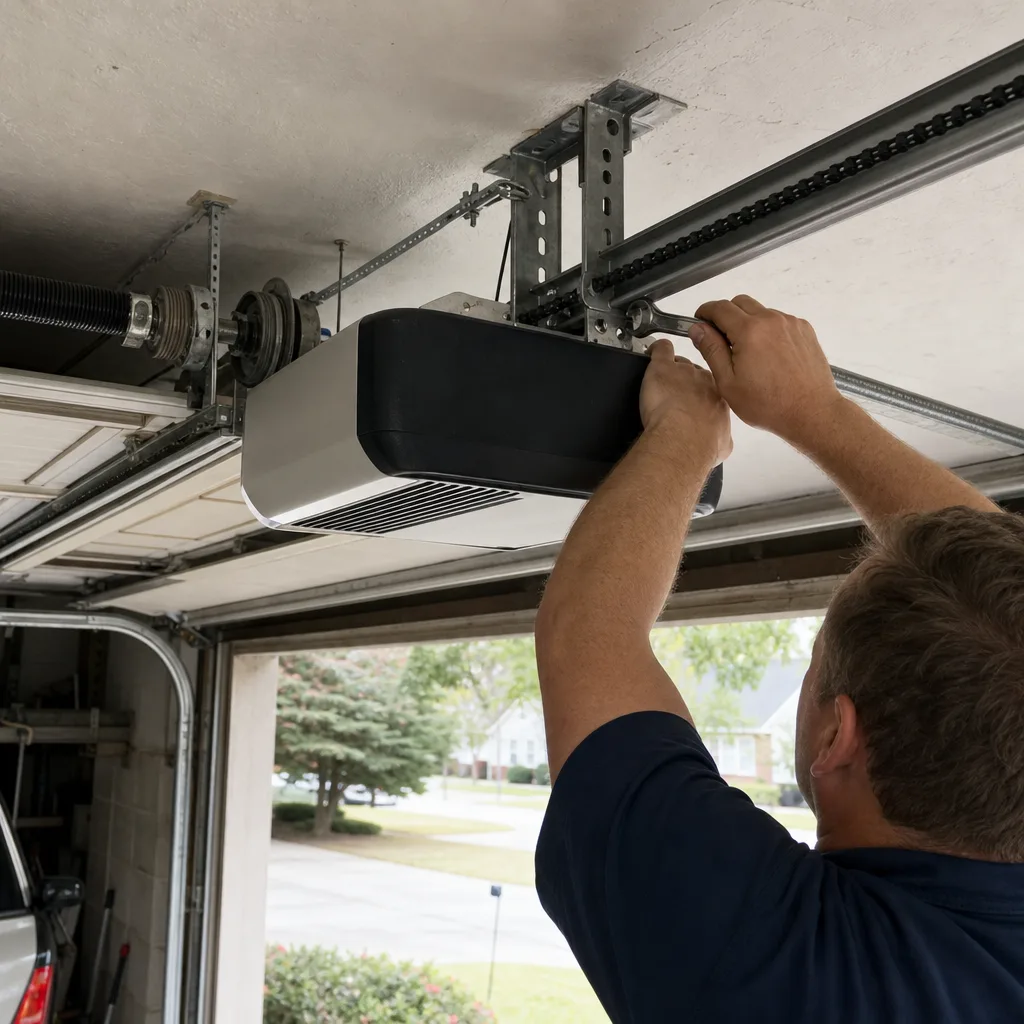
Last updated October 17, 2026
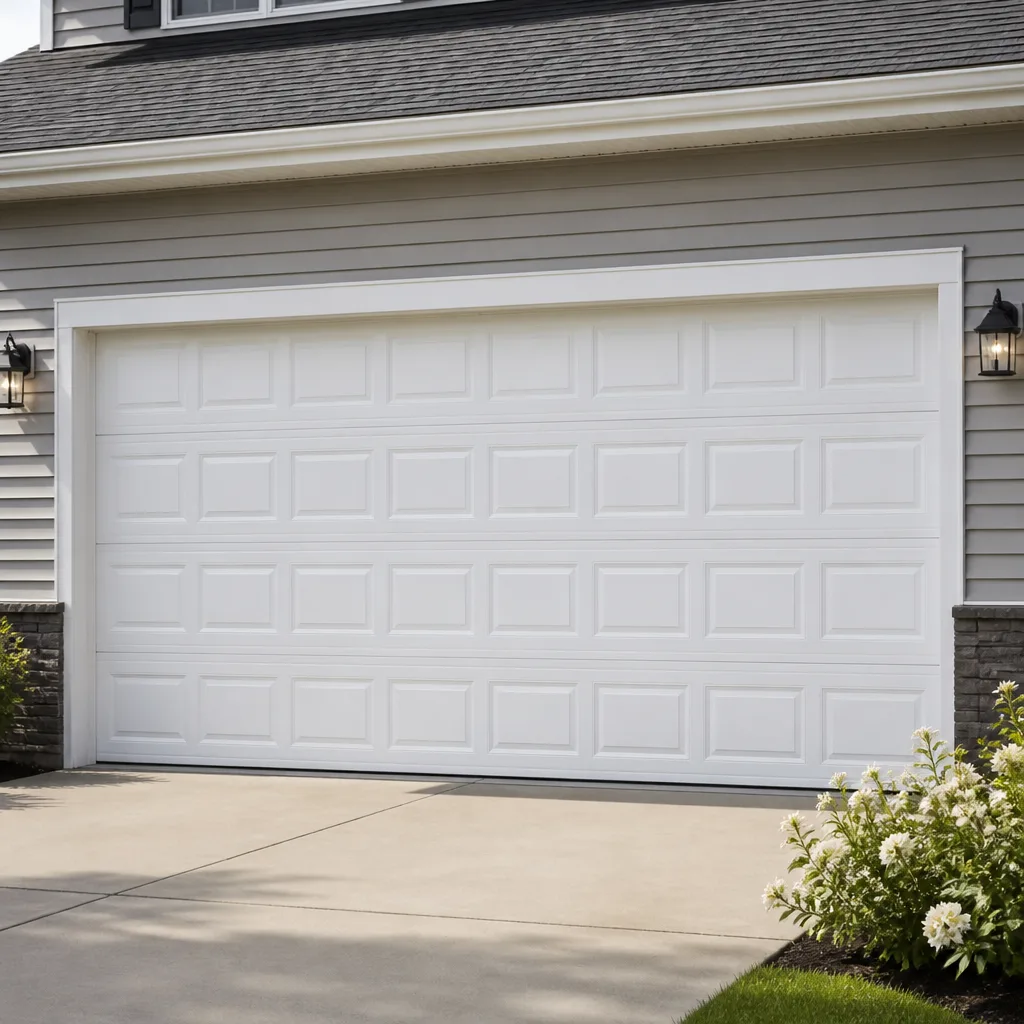 Raised-panel steel
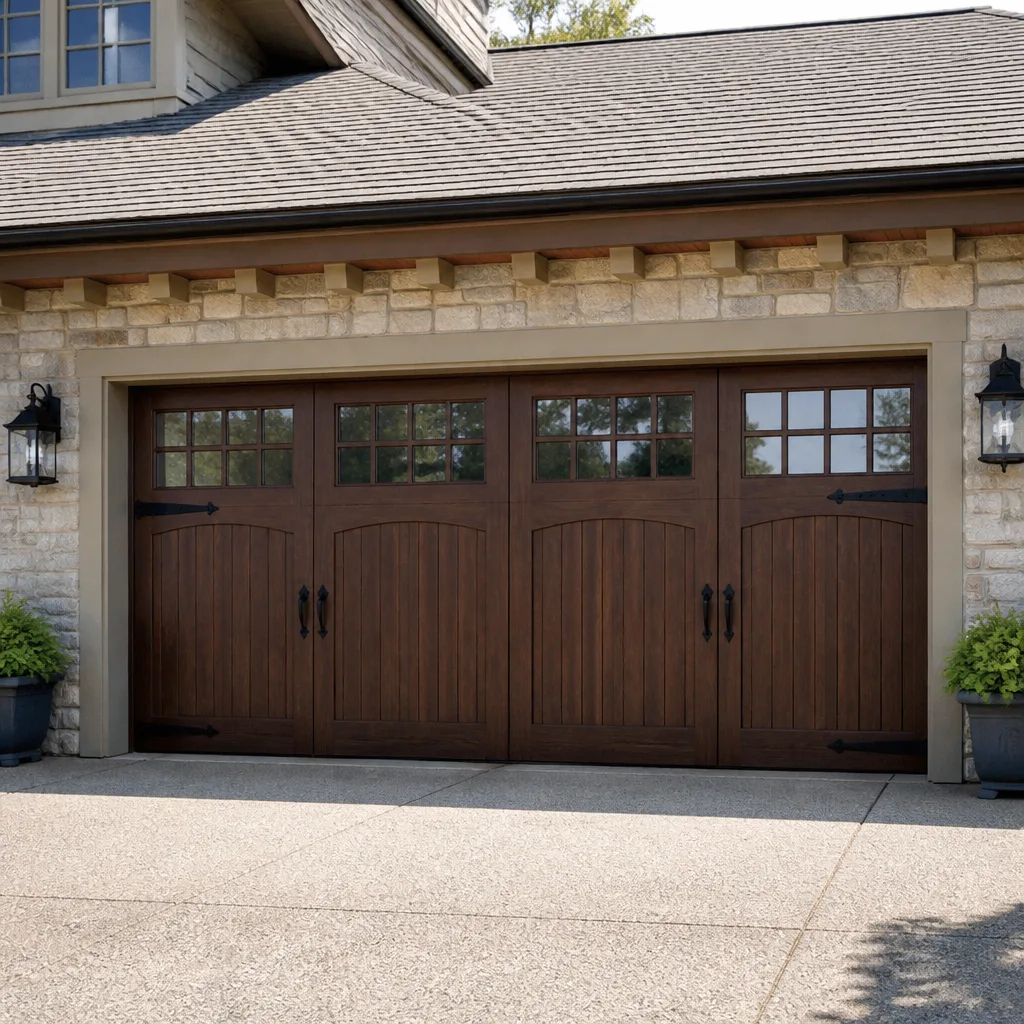 Carriage house
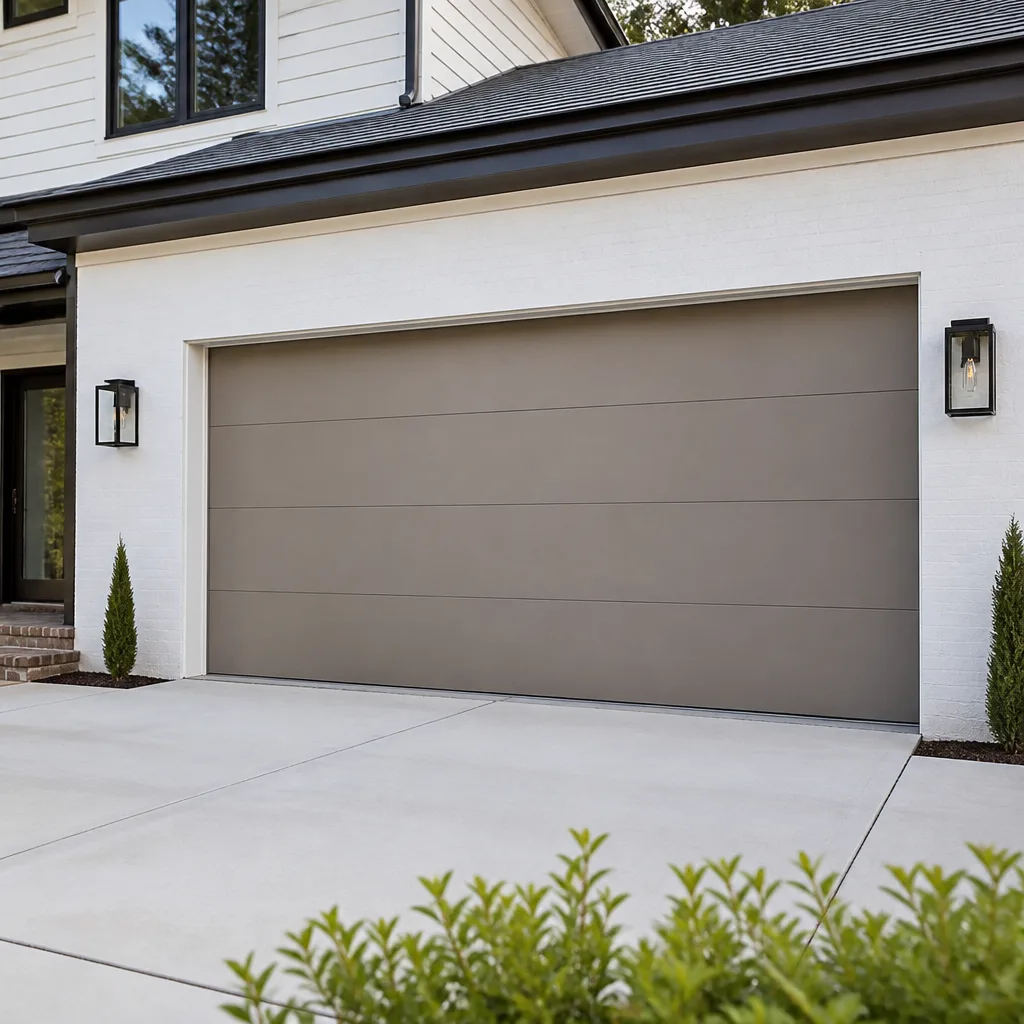 Modern flush
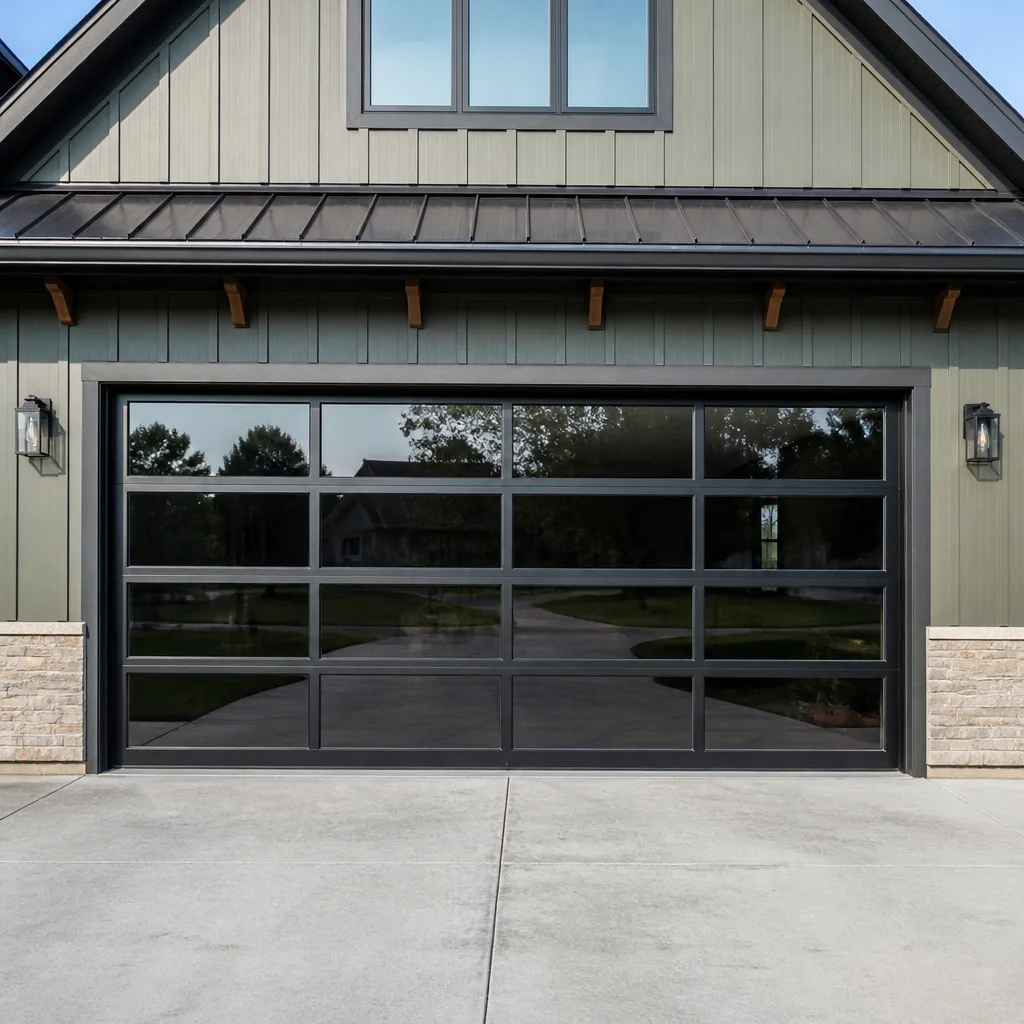 Full-view glass
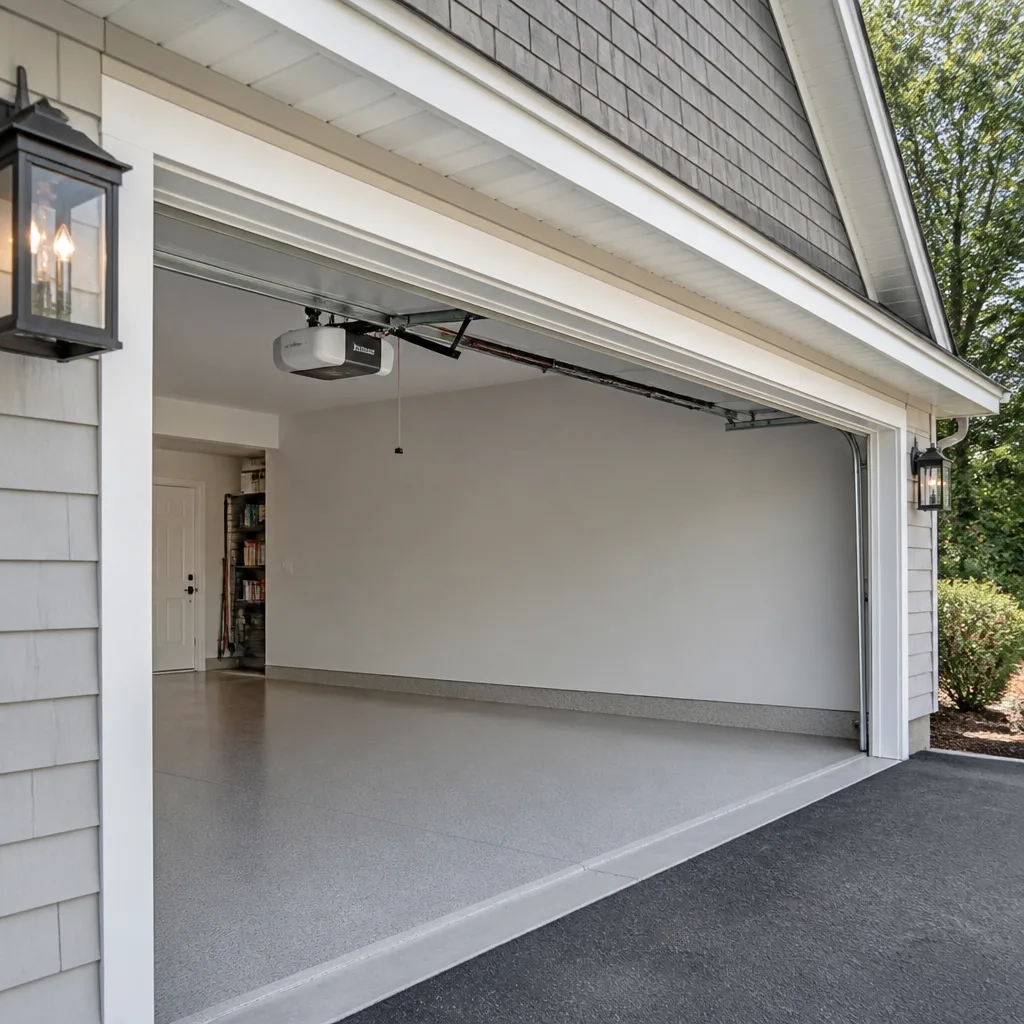 LiftMaster openers
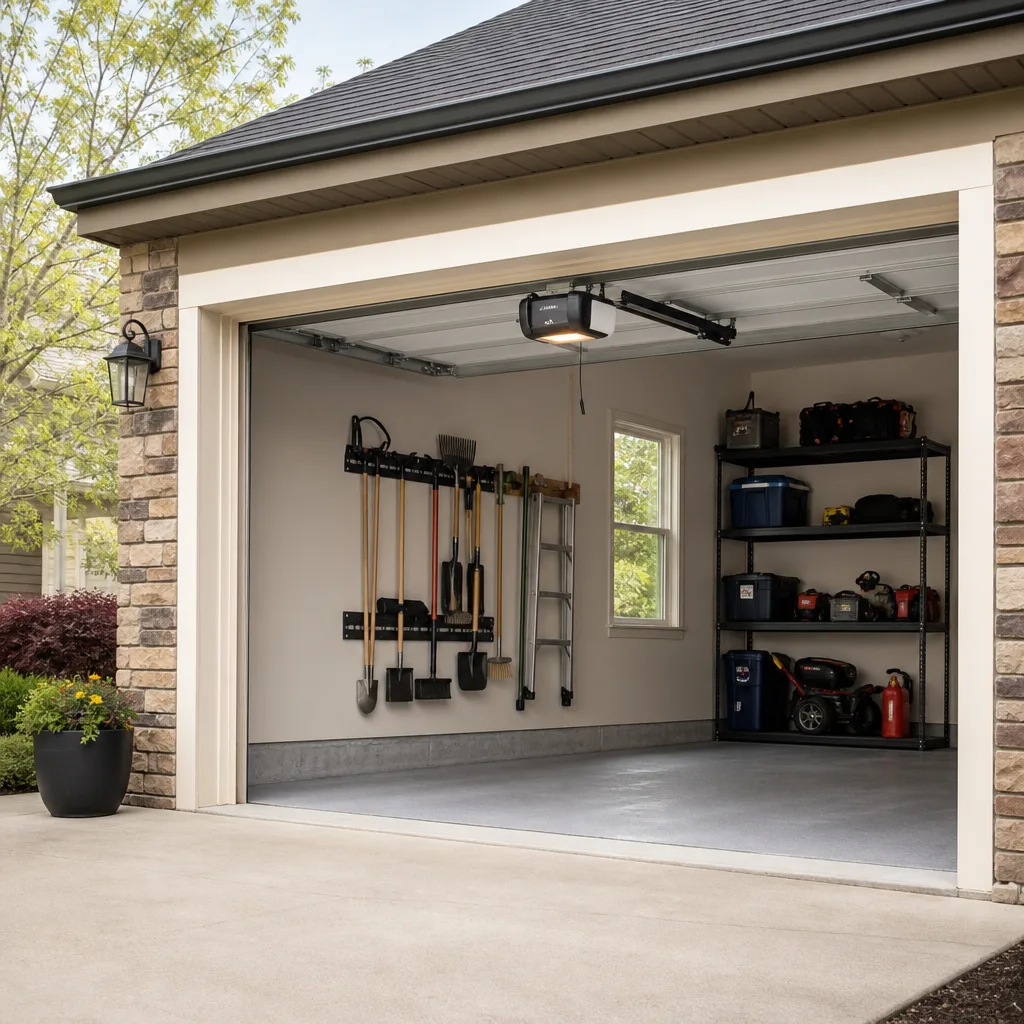 Chamberlain openers
Full 25-point door and opener safety check with every visit - springs, cables, rollers, tracks, and your LiftMaster or Chamberlain opener included
You get a price before we start. It does not change when the truck arrives.
Get your free estimateGarage Door Permits, Codes & Inspections in GA: What You Need to Know
A $1,200 garage door installation can quietly become a $4,000 problem at closing. Here’s how it happens: a homeowner replaces a garage door, the contractor skips the permit because “it’s just a door swap,” and three years later a home inspector notices the framing was altered without a record. The closing attorney flags it, the title company pauses, and the seller pays to retrofit paperwork, inspection fees, and sometimes redo work that was never signed off. We hear versions of this from Sandy Springs homeowners at least once a month. This guide explains when Georgia code and Sandy Springs city requirements actually kick in, what inspections cover, what an HOA can demand separately, and how to make sure your contractor carries the permit responsibility in writing before the first panel comes off the truck.
Styles & brands we work with
Quick Answer
In Sandy Springs, Georgia, replacing an existing garage door in the same opening without altering the surrounding framing typically does not require a building permit. However, if the project changes the opening size, adds or removes structural members around the door, or involves electrical work for a new opener circuit, a permit from the City of Sandy Springs Building Division is almost always required. Check with the city before work starts, because unpermitted structural alterations become a disclosure problem when you sell.
Table of Contents
- When a Garage Door Project in Sandy Springs Requires a Permit
- Georgia Residential Code: What Applies to Garage Doors
- Fulton County vs. Sandy Springs: Who Governs What
- HOA Review vs. City Permit: Why You May Need Both
- How to Check Whether Past Garage Work Was Permitted
- What a Georgia Garage Door Inspection Actually Covers
- What Permits and Inspections Cost in Sandy Springs
- How to Confirm Permit Responsibility in Writing
- Common Mistakes to Avoid
- When to Call a Professional
- Frequently Asked Questions
- The Bottom Line
When a Garage Door Project in Sandy Springs Requires a Permit
Most people assume any garage door work automatically needs a permit, or that none of it does. The truth sits between those two. A standard replacement where the old door comes out and a new door goes into the same opening, using the same framing, the same header, and the same mounting points, is considered a like-for-like repair or replacement. The City of Sandy Springs does not require a building permit for that scope. The work is treated the same way as replacing a window sash or swapping a front door slab. The opening already exists, the structure was already approved, and nothing about the building’s load path changes.
A permit does become necessary when the project touches the building’s structure or its electrical system. The specific triggers in Sandy Springs include:
- Changing the opening size. Widening, heightening, or narrowing the rough opening means cutting into load-bearing wall framing. That is new structural work and always requires a permit.
- Adding or removing framing members. If the old header comes out, or a new beam goes in above the opening, the city must inspect it. No exceptions.
- Adding a new electrical circuit. Installing a first-time garage door opener where no outlet exists, or running a new dedicated circuit to a new opener location, triggers an electrical permit.
- Converting a carport to a garage. Enclosing the structure changes the building envelope. The door gets included in the larger permit, not a separate one.
- Replacing a fire-rated door. If your garage shares a wall with living space, the door between them may be required to carry a fire rating. Swapping a rated door for a non-rated door can fail an inspection and may require a permit to correct.
- Major structural repair after impact. If a vehicle hit the door hard enough to move the jamb, crack the header, or shift the foundation bolts, the repair becomes structural and must be permitted.
In Sandy Springs specifically, homes built on the ridge lines near the Chattahoochee often sit on sloped lots with walk-out basements and side-load garages. In those houses, the garage wall is sometimes also a retaining wall or a shear wall. A door replacement that touches that wall requires more scrutiny than a typical flat-lot home in Dunwoody or Roswell. If you live in Riverside, Heards Ferry, or along Mount Vernon Highway, and your garage shares structure with a slope, ask the city about permit requirements before the contractor loosens a single lag bolt. That one call can save a far more expensive call later.
For a plain swap on a conventional home, no permit, no inspection, no filing. The moment the saw comes out and framing gets modified, or new wire gets pulled, the rules change. When in doubt, call the City of Sandy Springs Building Division. They answer these questions daily. If you’re also getting new springs or a repair, see our garage door spring repair in Sandy Springs guide, which covers what is and is not structural.
Georgia Residential Code: What Applies to Garage Doors
Georgia adopted the International Residential Code (IRC) with state-specific amendments. The Georgia State Minimum Standard Building Code series governs residential construction, and local jurisdictions like Sandy Springs enforce it through their own building departments. For garage doors, the IRC sections that matter most are R309 (Garages and Carports), R302.5 (Dwelling-Garage Separation), and R312 (Guards and Window Fall Protection). A garage door itself is covered under the IRC’s requirements for wind resistance, safety sensors, and emergency release mechanisms.
Here is what the Georgia IRC actually requires for garage doors:
- Wind load resistance (IRC R301.2.1.2). Sandy Springs sits in a wind zone that requires doors to be rated for specific uplift and lateral pressures. A door rated for inland Georgia may not pass in a county that sees stronger storm gusts. The label on the door matters, and inspectors check it.
- Automatic reverse and safety sensors (IRC R309.4). Every motorized garage door must have a photoelectric sensor mounted no higher than 6 inches off the floor that reverses the door if an object breaks the beam. A door installed without working sensors fails inspection, and it is also a serious hazard for children and pets.
- Dwelling-garage separation (IRC R302.5.1). If the garage adjoins living space, the door between them must be solid wood at least 1-3/8 inches thick, steel, or a 20-minute fire-rated door. The wall and ceiling must be 1/2-inch gypsum board. Replacing the garage vehicle door does not change this requirement, but inspectors verify it on any visit that involves the garage envelope.
- Door marking (IRC R309.1). Each garage vehicle door must display its manufacturer’s label showing the wind load rating. If the label is painted over or missing, the inspector may require re-certification. Keep that label visible.
- Emergency release accessibility. The red manual release handle must be reachable from floor level without a ladder. A release cord set too high, or one that was removed during a door replacement, is a code violation that shows up on inspection reports.
What surprises many Sandy Springs homeowners is that the city enforces the Georgia amendments on wind load more strictly than some neighboring jurisdictions. Sandy Springs adopted the wind speed provisions specific to northern Fulton County, and a door that an inspector in south Fulton might pass will not always pass here. If you are buying a door, a brand like Clopay or Amarr will list the wind load rating on the specification sheet. Ask the installer to confirm the rating matches Sandy Springs requirements before you pay for it.
If you are also replacing the opener at the same time, the electrical work falls under the National Electrical Code as adopted by Georgia. A plug-in opener that uses an existing outlet needs no electrical permit. Hardwiring a new opener to a junction box, or adding an outlet where none exists, does. Our garage door installation in Sandy Springs page walks through what a full replacement involves, including the wiring questions that come up.
Fulton County vs. Sandy Springs: Who Governs What
Sandy Springs incorporated as a city in 2005 and operates its own building inspection division. The City of Sandy Springs Building Inspections & Permits department issues permits and performs inspections within city limits. Fulton County governs unincorporated areas and some cities that contract with it for services. If your home’s mailing address says Sandy Springs but your property sits outside the incorporated boundary, you may fall under Fulton County’s jurisdiction instead. That split causes a lot of resident confusion, and an address alone does not settle it.
The practical difference: Sandy Springs uses its own permit application system, fee schedule, and inspector staff. Fulton County uses a separate process. The substantive code is the same Georgia IRC, but the filing pathway is different. Here is how to tell which one applies to you:
- Look at your property tax bill. The taxing authority listed on the bill tells you whether you are inside Sandy Springs city limits or in unincorporated Fulton County.
- Check the city’s address verifier. The City of Sandy Springs website has an online tool that confirms whether an address is within incorporated limits.
- Call either office and give your parcel number. The Sandy Springs Building Division and the Fulton County Department of Permits and Inspections both answer address questions directly.
For a garage door project, the filing process in Sandy Springs typically runs like this: the permit application names the scope of work, the contractor lists their state license, and the city reviews the plans for the structural alteration if one is required. The review usually takes a few business days for a simple alteration. The inspector then visits to verify the framing, the wind load label, and the sensor function. The entire process for a small structural alteration can run one to two weeks, which is worth knowing when you are planning a replacement around a moving date or a holiday.
One local wrinkle: Sandy Springs maintains stricter enforcement of hillside development standards than most Georgia municipalities. Homes on steeper lots that require a retaining-wall tie-in with the garage are reviewed under the city’s hillside ordinance, which can add review time. If your garage wall doubles as a retaining structure, mention it in the permit application. A door installer who has worked in Sandy Springs will know to ask. It is one of the reasons homeowners on the river side of Roswell Road often have a more involved process than those on the Dunwoody line.
HOA Review vs. City Permit: Why You May Need Both
An HOA architectural review and a city building permit are two entirely separate approvals. One regulates appearance. The other regulates safety. In Sandy Springs neighborhoods like Riverside, North Springs, and parts of Sandy Springs ITP, both can apply to a single garage door project, and neither one substitutes for the other.
An HOA reviews whether the door you chose matches the community’s design standards: color, material, panel style, windows, and whether a wood-look door fits the street character. The HOA does not care whether the header beam is properly sized. The city, by contrast, reviews whether the structural work and electrical work meet Georgia code. The city does not care whether your door is almond or white. A homeowner who gets HOA approval but skips the city permit, or vice versa, can be forced to undo completed work. That happens more than you might expect in communities with strict covenants along Riverside Drive and Mount Paran Road.
Here is how to handle both cleanly:
- Check your HOA governing documents first. The covenants spell out whether garage doors count as an exterior modification requiring architectural review. In many Sandy Springs communities, any change visible from the street requires an ACC request.
- File the HOA architectural request at the same time you or your contractor applies for the city permit. The two processes run in parallel. Neither waits for the other.
- Give the HOA what it asks for. Most committees want a photo of the existing door, a product spec sheet for the proposed door, and a color sample. A brand like Wayne Dalton provides spec PDFs that satisfy most HOA packets.
- Keep the HOA approval letter and the city permit in the same folder. Both documents matter at closing. A buyer’s attorney will ask for them if the garage door was replaced in the past several years.
- Do not confuse an HOA fine with a code violation. An HOA can fine you for the wrong door color. The city can issue a stop-work order for the wrong header. They are different problems with different remedies.
We have walked into Sandy Springs homes where a previous owner installed a beautiful carriage-style door that the HOA loved and the city never inspected, because the opening was widened by 6 inches. The homeowner inherited the problem. A 10-minute check against community covenants and a phone call to the city would have caught it before the first nail went in. If you are already dealing with an older door that needs work, start with our garage door repair in Sandy Springs page to see what can be fixed rather than replaced.
How to Check Whether Past Garage Work Was Permitted
You do not need to be buying or selling to care about this. If a previous owner replaced the garage door, and the replacement required a permit, and no permit was pulled, the unpermitted work becomes your disclosure obligation when you eventually sell. The good news: checking is straightforward, and most Sandy Springs homeowners can do it in under 30 minutes.
Here is the exact process:
- Go to the City of Sandy Springs online permit portal. The city provides public access to permit records. You can search by address or parcel ID. Do not search by the previous owner’s name; the system indexes by property, not person.
- Look for any permits with a scope that mentions garage, door, structural alteration, or residential alteration. A permit for “water heater replacement” is not the one you need. A permit for “garage opening alteration” is.
- Check the final inspection status. If a permit was pulled but never passed final inspection, the work is still an issue. An open permit follows the property.
- If you find nothing, call the Building Division directly. Some older records are not digitized. A staff member can check archived records by parcel number.
- Request a copy of the final inspection report. Keep it with your closing documents. It is worth more than the paper it prints on when a buyer’s inspector starts asking questions.
If you discover that past work was unpermitted, do not panic and do not try to hide it. The disclosure form asks directly whether any work was done without required permits. Answering no when the answer is yes is a legal risk that far outweighs the paperwork cost of correcting it. In most cases, the remedy is a code-compliance inspection. The city sends an inspector to verify that the existing work meets current code, and if it does, they close the file. If it does not, the inspector identifies what needs correcting. Many doors installed in the last decade by reputable companies meet code even if the permit was somehow missed. The inspector’s visit is usually the cheapest part of the whole correction.
One thing we hear from Sandy Springs sellers: “The contractor told me they handled the permit.” What they meant was the contractor handled the HOA approval, or nothing. Paper beats memory. The permit number, the inspection date, and the final sign-off are the only proof that matters. If you cannot produce those three things, treat the work as unpermitted until proven otherwise.
What a Georgia Garage Door Inspection Actually Covers
When a Sandy Springs building inspector arrives for a garage door inspection tied to a permit, the visit typically takes 20 to 40 minutes. The inspector is not evaluating whether the door looks nice. They are verifying code compliance on a specific checklist, and most of that checklist is invisible to the homeowner. Knowing what they look at helps you understand whether the contractor did the job correctly.
A standard Sandy Springs garage door inspection covers:
- Framing and header. The inspector verifies that the header beam above the door spans the opening correctly and is sized to carry the load above it. For an opening alteration, this is the most common point of failure.
- Wind load label. The inspector checks the manufacturer’s label on the door panel for the wind load rating required in northern Fulton County. A missing label can fail the inspection on the spot.
- Safety sensor function. The inspector places an object in the beam path and verifies the door reverses. They also check sensor height, which must be no more than 6 inches above the garage floor.
- Emergency release. The red handle must be reachable from the floor. The inspector will pull it to confirm the door disengages from the opener carriage.
- Electrical connections. If the permit includes electrical work, the inspector confirms the outlet, wiring, and conduit meet current NEC requirements. Plug-in openers are not inspected for electrical code beyond outlet presence.
- Fire separation. On a home where the garage adjoins living space, the inspector may verify the wall and door between them if they are visible during the visit.
- Track and mounting security. The inspector checks that the vertical and horizontal tracks are mounted to sound framing, not drywall alone, and that all bolts are in place.
The inspector writes a report at the visit. If something fails, you receive a correction list, and a re-inspection is scheduled after the fixes are made. Most first-time failures on garage door permits in Sandy Springs involve missing wind load labels or sensor height. Both are cheap to fix but delay your project until the re-inspection passes. A good installer knows the checklist and verifies every item before the inspector arrives.
Getting an inspection done right the first time keeps your project moving. It also gives you a final record that the door meets current code, which is exactly what a future buyer’s attorney wants to see. If you are comparing contractors, ask whether they have passed Sandy Springs garage door inspections recently. The answer tells you a lot about whether they understand local code. For homeowners shopping for a full replacement, our garage door installation in Sandy Springs page covers what a proper install should include, inspection-ready.
What Permits and Inspections Cost in Sandy Springs
Permit fees in Sandy Springs are modest compared to the cost of correcting unpermitted work later. A simple residential alteration permit for a garage door opening change typically runs between $75 and $250 depending on the scope and the valuation of the work. Electrical permits for a new opener circuit are usually in the same range. The city calculates fees based on a project valuation table, so a door replacement with a $1,200 valuation will have a lower permit fee than a $4,000 structural alteration. Re-inspection after a failed visit may carry an additional fee, typically under $100.
Here is what to budget in Sandy Springs:
| Item | Typical Cost Range |
|---|---|
| Like-for-like door replacement, no framing work | No permit required |
| Opening alteration permit (residential) | $75 – $250 |
| Electrical permit for new opener circuit | $75 – $150 |
| Re-inspection fee | $50 – $100 |
| Code-compliance inspection for past unpermitted work | Varies; often $100 – $300 |
| HOA architectural review filing | Usually free; some associations charge $25 – $100 |
The hidden cost is not the permit fee. It is the retrofit. If the city inspector finds that an unpermitted door alteration does not meet code, correcting it can mean removing and reinstalling the door, replacing the header, and scheduling a new inspection. That bill can easily reach several thousand dollars. A permit that cost $150 at the time becomes the cheapest insurance you ever bought. When you get a written quote for a garage door project in Sandy Springs, ask the contractor to list the permit line item separately. If there is no line item and the project clearly requires a permit, ask why. Our garage door repair in Sandy Springs team always separates permit costs from labor and materials so nothing is folded into the total.
How to Confirm Permit Responsibility in Writing
The most common permit dispute in Sandy Springs happens after the work is done. The homeowner believes the contractor pulled the permit. The contractor believes the homeowner was handling it. The truth is usually that the conversation happened by phone and neither party wrote anything down. A written agreement before work starts removes the ambiguity entirely.
Here is the exact process, and it takes 10 minutes:
- Ask the contractor directly: “Will you pull the permit for this work?” The answer must be a yes or a no. If the answer is “we’ll figure it out later,” that is a no.
- Request the permit responsibility in the written estimate or contract. The line should say something like “Contractor to obtain all required City of Sandy Springs building permits and schedule all inspections” or “Homeowner responsible for obtaining all required permits.” Whatever the arrangement, it goes in writing.
- Ask for the permit number before work begins. A contractor who says they will pull the permit but cannot produce a number before the first day of work has not pulled it yet.
- Confirm who schedules the inspection. Permits expire if work sits too long without inspection. The contractor usually schedules, but confirm it is in the contract.
- Get the final inspection report in hand before paying the final invoice. The inspection pass is your proof. Do not accept “we’ll send it later” as final payment clears. The report should be available the same day or next day from the portal.
What you are really doing here is protecting two things: your legal obligation to disclose permitted work when you sell, and your leverage if the work fails inspection. When the permit responsibility is written, the contractor owns the outcome. When it is not, you own a problem you did not know you bought. In 20 years of garage door work in this city, the cleanest projects are always the ones where the permit path was documented by the afternoon of the quote. The messiest ones are always the ones where nobody wrote down who was supposed to do what. A reputable contractor will put it in writing without hesitation.
Common Mistakes to Avoid
- Assuming all garage door work is permit-free. Like-for-like swaps usually are, but the moment framing moves or a new circuit goes in, the city expects a permit. Assuming instead of checking is how unpermitted work entries start on disclosure forms.
- Confusing HOA approval with a city permit. They come from different offices, regulate different things, and neither covers the other. In Sandy Springs communities with active architectural committees, you often need both.
- Trusting a verbal promise about permits. Phone conversations do not survive a closing. Written contracts do. Get the permit responsibility in writing before the first day of work.
- Replacing a fire-rated door with a non-rated door. The door between a garage and living space is not interchangeable with a standard interior slab. Swapping the wrong door can fail inspection and create a safety hazard.
- Skipping the wind load check. Sandy Springs enforces wind load ratings strictly. A door without the right label for northern Fulton County can fail inspection even if it operates perfectly.
- Removing the manufacturer’s label. Paint and mildew removal often takes the wind load label with it. The inspector needs that label. Protect it during installation and painting.
- Paying the final invoice before the final inspection passes. Your strongest tool for getting corrections made is holding the final payment until the city signs off. Release the money when the report clears, not before.
When to Call a Professional
If your project involves anything beyond a straightforward like-for-like door swap, the permit conversation should happen with a contractor who has done permitted work in Sandy Springs before. That includes any opening size change, any structural repair around the garage, any new opener wiring, or any home where you have discovered past unpermitted work during a sale preparation. These are not the projects to learn on. A professional who knows the City of Sandy Springs inspection checklist will file the correct permit, pass the inspection the first time, and hand you a paper trail that protects your closing. Fernbrook Garage Doors Sandy Springs home page offers free estimates for Sandy Springs homeowners. Call (912) 348-5341 and we will tell you over the phone whether your specific project likely needs a permit, before you spend a dollar.
Frequently Asked Questions
No permit is required for a like-for-like replacement where the door goes into the same opening without changing the framing or adding new electrical work. A permit is required if the opening size changes, structural members are added or removed, or a new electrical circuit is installed for the opener.
A residential alteration permit for a garage door opening change typically costs between $75 and $250, and an electrical permit for a new opener circuit runs $75 to $150. Like-for-like replacements with no structural or electrical work need no permit at all. Call (912) 348-5341 for help determining which applies to your project.
You may need a code-compliance inspection from the City of Sandy Springs to close the file. The inspector verifies the existing work meets current Georgia IRC requirements. If it passes, the record is closed. If it fails, the inspector identifies what must be corrected before the property can be sold cleanly.
No. HOA architectural review governs design standards like door color and panel style. A city permit governs code compliance like framing, wind load rating, and safety sensors. Many Sandy Springs homes need both approvals, and neither substitutes for the other.
A standard inspection visit runs 20 to 40 minutes. The inspector checks framing, the wind load label, safety sensors, the emergency release, and electrical connections if applicable. A typical small alteration permit clears the city review in a few business days, with the inspection scheduled after the work is complete.
The contract must state it in writing. Ask the contractor to add a line specifying who pulls the permit and who schedules the inspection. Then ask for the permit number before work begins. If the number exists, the permit exists. If it does not, the permit does not.
The Bottom Line
Most Sandy Springs garage door replacements do not require a permit, and that is exactly why the ones that do cause so much trouble at closing. The dividing line is straightforward: if framing moves or new wire gets pulled, a permit is required. Check the city’s permit portal before work starts, confirm HOA requirements separately, and get the permit responsibility in writing from your contractor. A $150 permit filed at the right time prevents a multi-thousand-dollar correction discovered at the wrong time. When the paperwork is clean, the sale is clean. When it is not, everyone finds out eventually.
Written by Jesse Calder, Owner at Fernbrook Garage Doors Sandy Springs, serving Sandy Springs since 2002.
See the difference
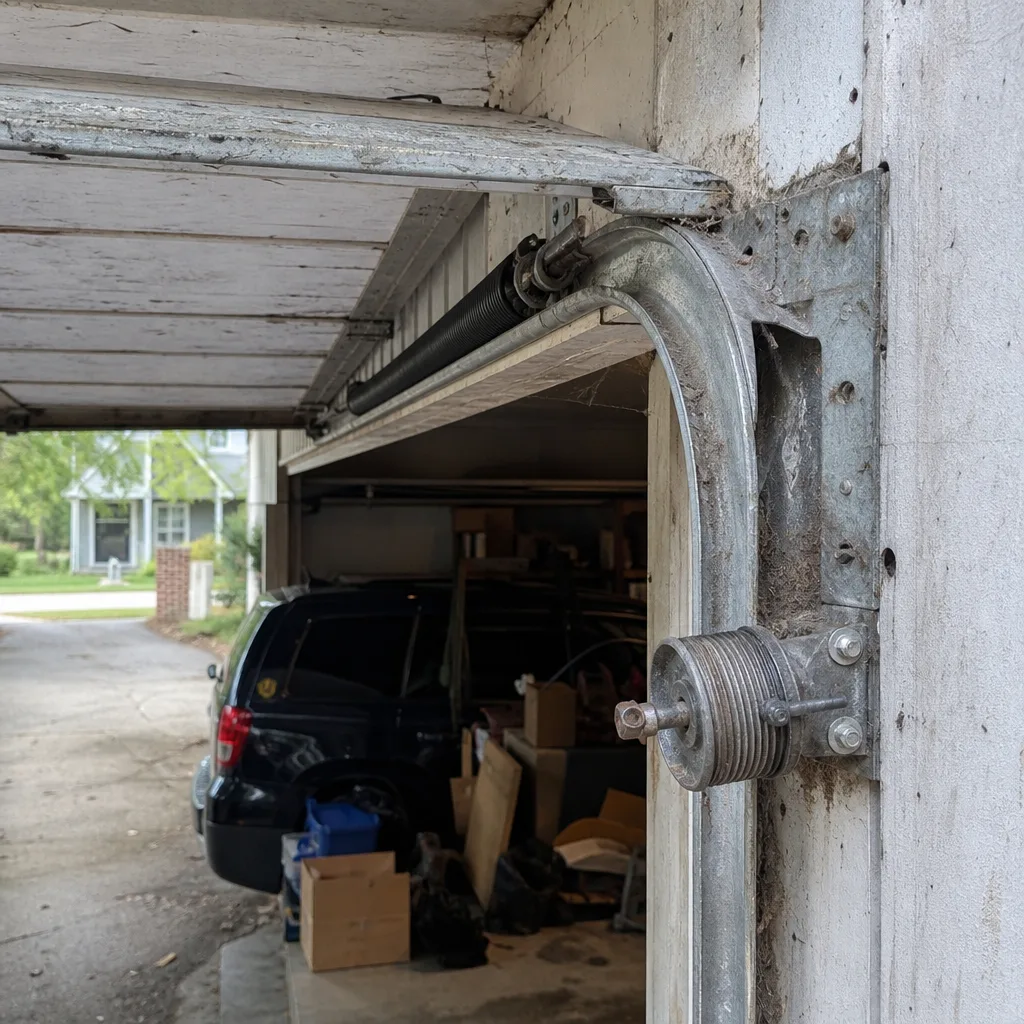 Before
 After
After Before
 After
After Before
 After
After